
By Tim Allan, SIM International
When you hear the words ‘North Africa’, what comes to mind?
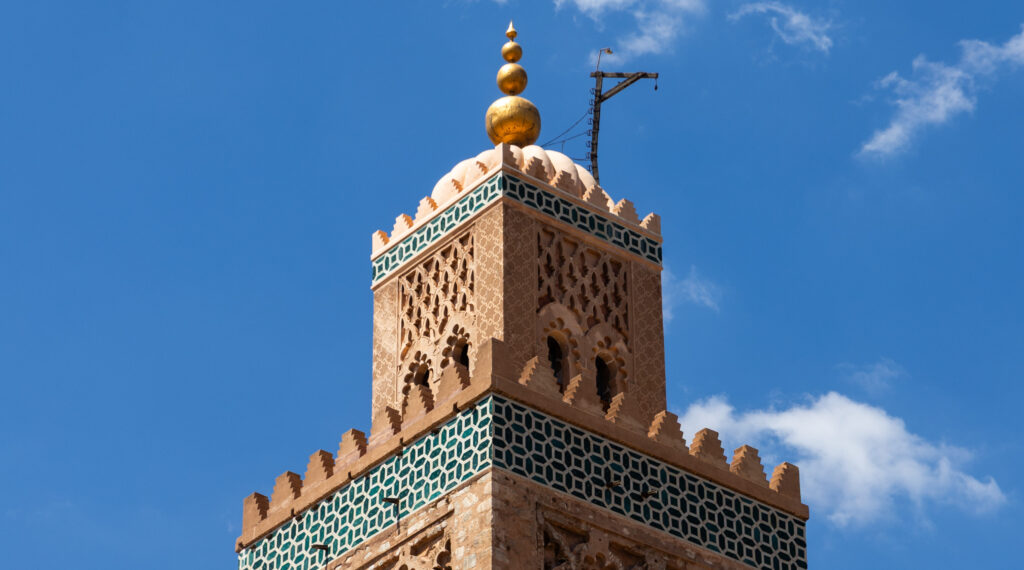
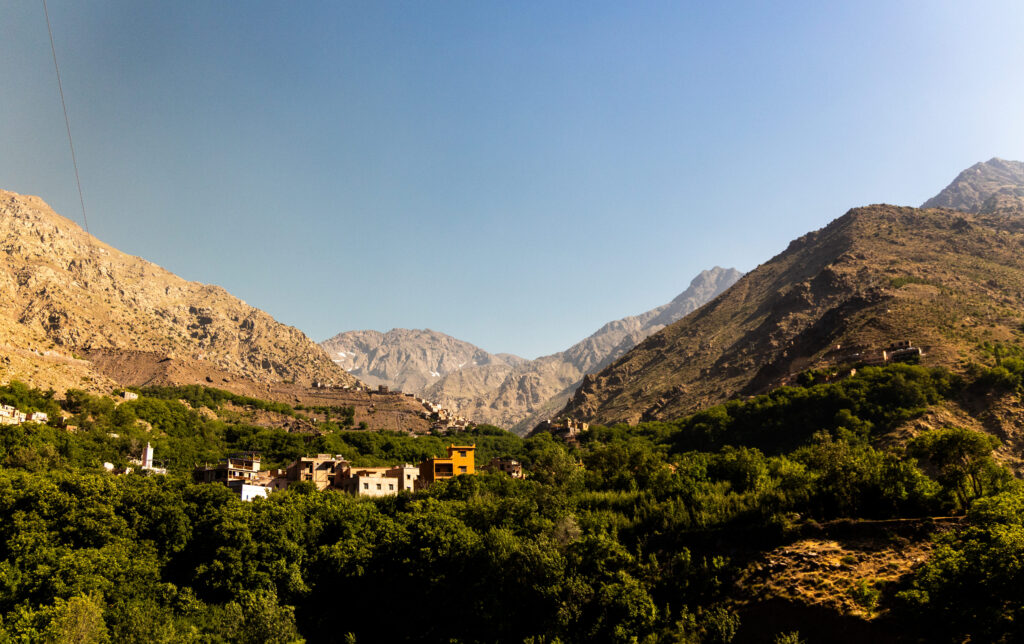
It might be images of men with scarves worn around their heads, of women with covered faces, of mosques and minarets, or of modern holiday destinations on the coast. It might be the Atlas Mountains of Morocco, or the wide expanses of desert in the west of the region. It might be bustling, dusty cities and always of heat.
If you stopped to think longer, you might imagine the people, whether they live in towns or in the country, are part of a single cultural group, defined by their belief in Islam. That ministry among the peoples of North Africa would pretty much look the same, no matter which country you were in.
But that would be to overlook a significant population of nomadic peoples, shaped by their traditional desire to roam freely in search of food for their animals.
Such nomads still exist across North Africa and the opportunity for gospel ministry among them is very much there. As they adapt to political pressures, climate change and rapid urbanisation, they are questioning their traditional beliefs.
The harvest is ripe and there are nomadic communities in which those who love Jesus can serve.
What is a nomad?
They are communal rather than individualistic, with clan identity overriding personal ownership. Property is owned by the clan, not by any single individual. Livelihoods are built on mobility, moving livestock across marginal lands that sedentary populations rarely occupy.
They also remain largely autonomous from modern nation states, often paying little heed to national boundaries drawn across deserts and mountains. Finally, they maintain a distinct identity from settled populations, viewing urban, sedentary life as fundamentally different — and often less desirable — than their own.
These traits shape not only how nomads live, but how they respond to modern pressures, from state control to economic change.
“The harvest is ripe and there are nomadic communities in which those who love Jesus can serve.”
How nomads differ across the region
In some western parts of the region, nomadic life is undergoing rapid transformation.
The Hassaniya-speaking groups, often referred to as “white Moors,” dominate much of the western Saharan desert. Historically powerful, these camel-herding clans once ranged freely across territories stretching into present-day Mauritania.
Today, however, several forces are reshaping their existence:
- Urbanisation: governments are encouraging development for political reasons and sometimes offer financial incentives to move. This has drawn increasing numbers of nomadic families into urban centres.
- Climate change: Reduced rainfall has made traditional camel herding increasingly difficult, forcing some groups to abandon mobility altogether.
Please pray
- For the spirit of Jesus to move mightily among the peoples of North Africa so they will come to a living faith in him as Lord.
- For our workers in the region to remain safe and able to carry out their ministries unhindered among people who do not know Jesus.
- For more workers with open hearts and minds to join our teams in North Africa.
Could God be calling you to serve in North Africa?
We’d love to help you explore what that could look like.
You might also like
Meet Lily and Peter, two children growing up in North Africa. They share what everyday life is like, from school and friendships to faith, family, hobbies ...

For Tony, sharing Jesus in the Middle East starts with friendship. From watching football on the street to learning Arabic, he is building relationships wi...
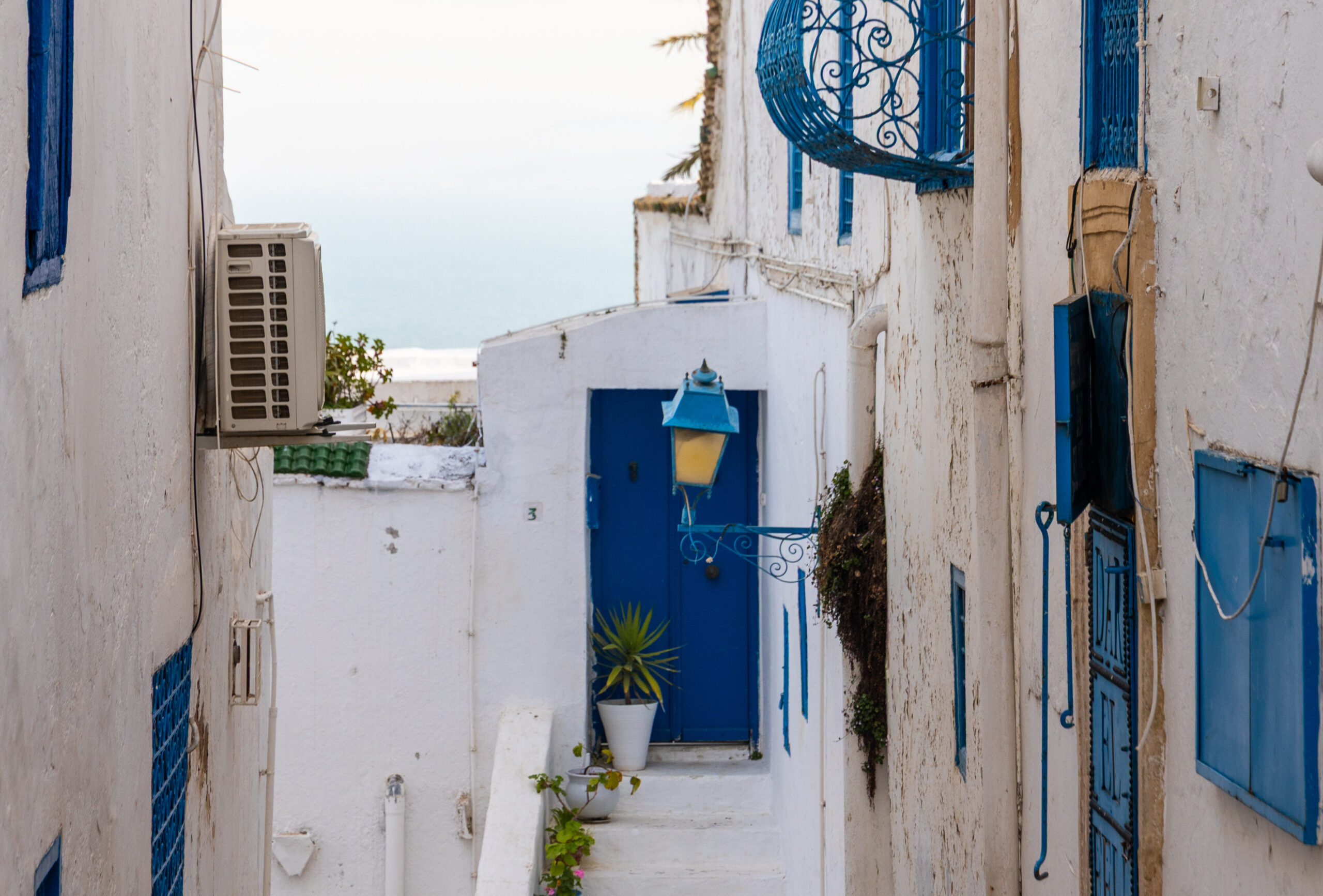
The Middle East and North Africa are home to hundreds of millions of people who have never heard the truth of Jesus. God is opening remarkable doors across...
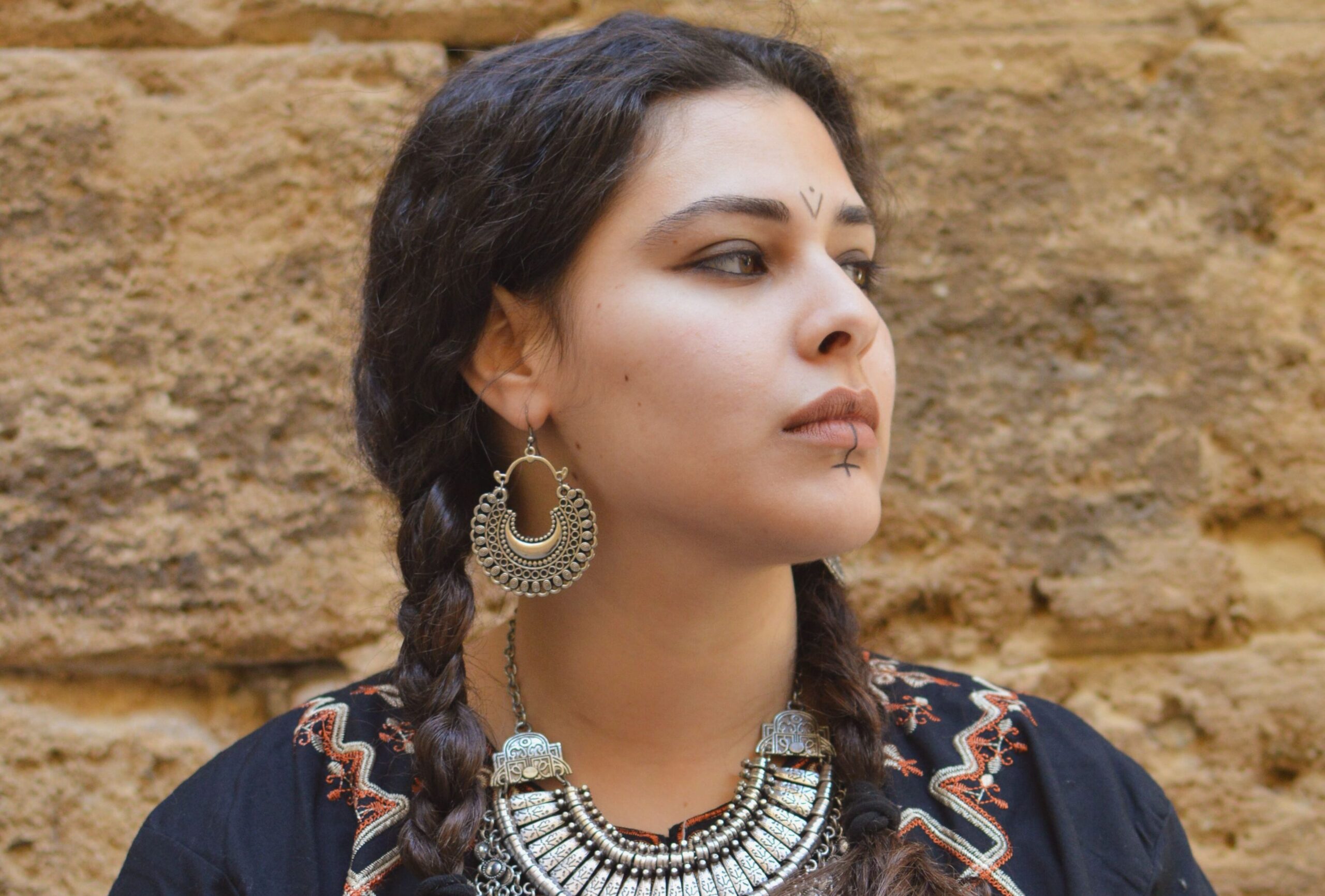
Across North Africa, Amazigh communities are reclaiming their language, culture and identity. As they rediscover their heritage including a largely forgott...
Richard and Valérie Morris have spent decades helping mission workers understand the spiritual realities they may face — from confronting fear and oppre...
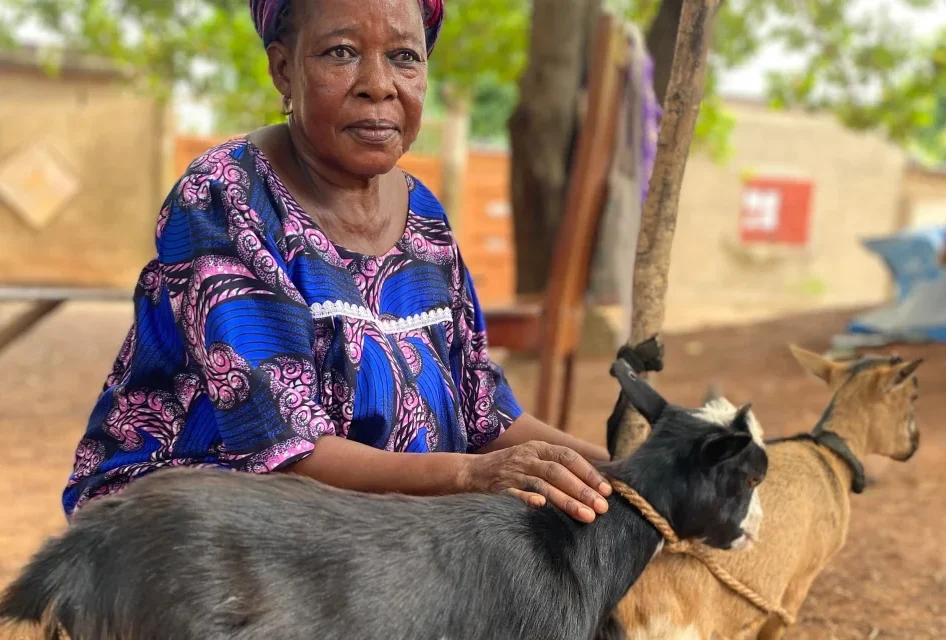
Widows in Benin are rebuilding their lives through an unexpected gift: two goats that offer income, dignity and the reminder that they are deeply loved by ...

Mission worker Dominique has spent the past eight months serving women in Nigeria’s Plateau State, where hundreds of widows are rebuilding their lives af...
We asked mission worker Ryan, how do learn to love the people and culture you serve?

You don’t need a passport to be part of God’s global work. From prayer and financial partnership to elevating mission stories in your church, here are ...
A statement from Kevin and Krista Rideout.
Galius had a tough childhood in Namibia. He lost his mother at childbirth and his father also passed away when he was a teenager. Today, Galius is st...
They come for the games, but they leave with something far greater. Across the world, Sports Friends camps are creating opportunities for young people to d...