

By SIM mission worker Mark Azzopardi
Writing a prayer letter isn’t just about passing on updates. It’s a way of inviting people to pray with you, encourage you, and to share in what God is doing through your life and ministry. A good prayer letter helps close the distance between you and your supporters, helping them feel connected to your journey and to the work God is doing in people’s lives.
Why write a prayer letter?
It builds prayer support
Prayer letters exist first and foremost to invite prayer. Prayer is what sustains us, carries us through challenges, opens doors, and draws us closer to God and to one another. When supporters understand what’s really happening in your life and ministry, they’re able to pray with greater insight and faith.
It makes others aware of your needs
The wider church can’t support what it doesn’t know about. Prayer letters help your supporters understand what’s going on, so they know how best to encourage you and come alongside you, whether that’s emotionally, practically or financially.
It activates the wider church for mission
Prayer letters from mission workers help bring global needs closer to home. By sharing what God is doing as people serve others in different places, you are helping supporters see how faith is being lived out beyond their own context. These stories can inspire prayer, strengthen faith and invite people to take part in God’s work in the world, even from where they are.
What should my prayer letter include?
A strong prayer letter holds together spiritual depth and personal connection. Below are a few key elements that help make that happen.
A short devotional
Sharing something God has been teaching you through Scripture helps set the tone for your letter. Keep it simple and relatable. A short reflection can invite readers to pause, reflect, and pray with you as they read.
Personal and family updates
People genuinely want to know how you and your family are doing. Sharing these kinds of updates helps supporters feel connected to you and invested in your journey. Where it feels appropriate, including children can also help them feel valued and part of what you are doing together.
Ministry updates
Clear communication about your ministry helps supporters understand your day-to-day reality. When people can see what your work really looks like, including its challenges and joys, they’re better able to pray thoughtfully and encourage you in meaningful ways.
A “culture corner”
Prayer letters are a form of cross-cultural communication. Sharing even a small glimpse of local life, such as a custom, a celebration or a simple everyday moment, helps your readers step into your world and develop a deeper understanding and care for the people and community you serve.
An invitation to get involved
Invite people to pray, encourage or support financially. Supporters often want to help, they just need to know how.
Thanksgiving and prayer requests
Include clear and focused prayer points in your letter. Start by thanking God for the ways he has already worked in your life and ministry. Then share specific needs or situations where you would love support. Giving this kind of guidance helps your readers pray with understanding and a sense of participation in what God is doing.

What should I bear in mind when writing my prayer letter?
When writing a prayer letter, think carefully about who will be reading it.
Some details, names, or locations might not be appropriate to share, so discernment matters. Follow any security guidance for your context.
If you work in a sensitive location, make sure your letter is reviewed and meets safeguarding or organisational requirements.
At the same time, don’t feel like you have to make everything sound perfect. Being open about challenges or setbacks builds trust and helps your supporters connect with you more authentically.
Tips for communicating my story clearly in prayer letters
Keep it simple and relatable
Write in a way that feels natural and friendly. Keep your language simple, avoid jargon and share your story as if you’re talking to a friend. Choose one or two meaningful stories rather than trying to include everything.
Use a mix of media
Sharing a few photos, a short video or even an audio clip can make your story feel more real and personal. Just be sure everything you include is safe and respectful.
It can seem daunting and overwhelming to set up one of these tools and it can take quite a bit of time to learn how it operates and build an appropriate template however this investment of time will pay off in the long term and make it much easier to send regular updates.
You might also like
Gary and Jo-Anne thought retirement would mean slowing down but instead, they stepped onto the pitch. Through weekly neighbourhood football sessions and pr...
Maffra Community Church has spent more than 30 years proving that global mission doesn’t always begin with travel. Through faithful partnership with SIM ...
More than 40 nations gathered in Nairobi for the Trauma Healing Institute’s Global Community of Practice, the first held outside North America, celebrati...

When a new mum found herself overwhelmed by depression and doubts about her worth, SIM mission worker and psychologist Gina McConley stepped in with gentle...
Stephanie served in Syria and Lebanon for over 25 years, sharing the gospel, supporting migrant workers, and co-founding a daycare that still cares for 75 ...
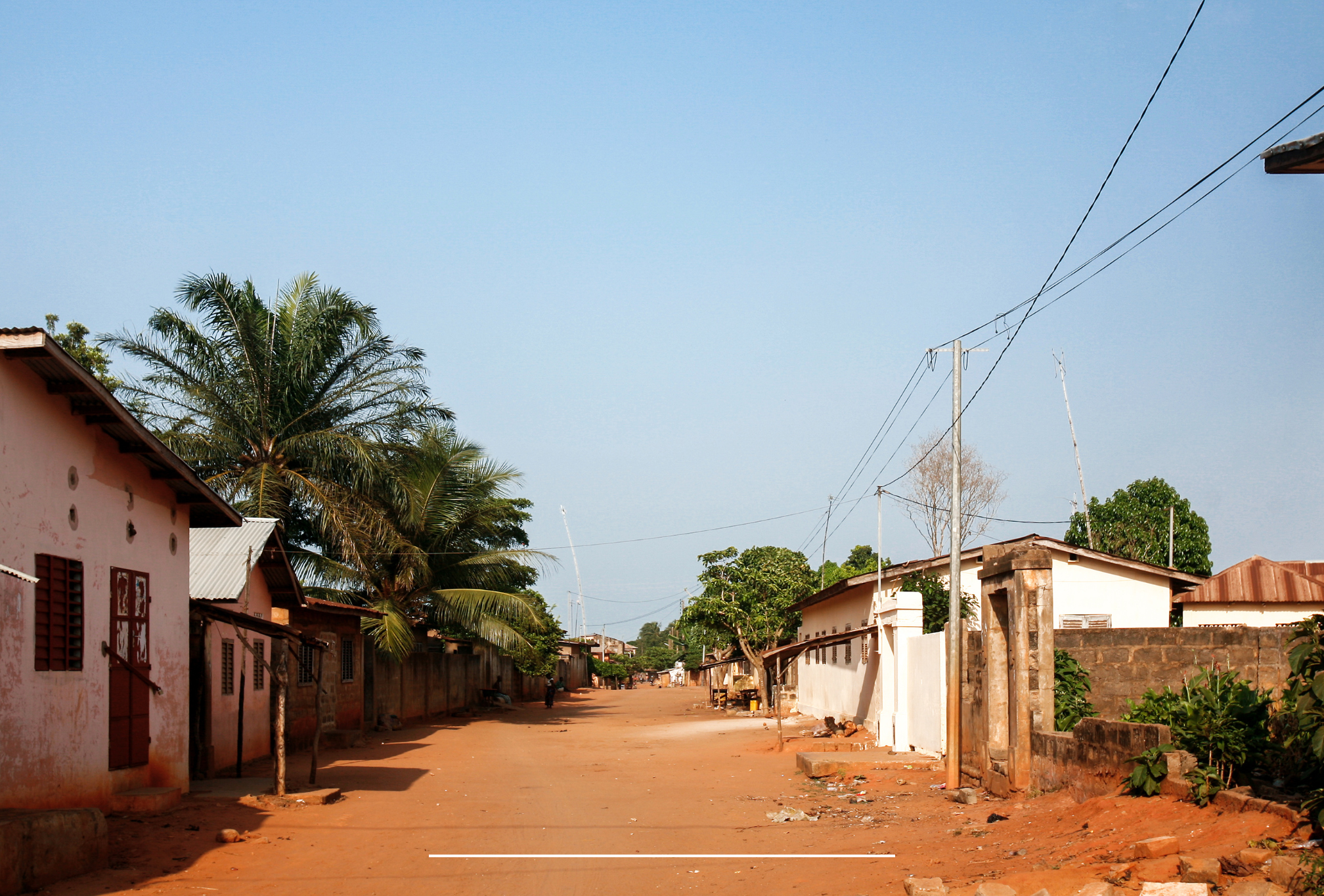
After 13 years serving in Benin with SIM, Sarah and Lee have returned to Germany, their sending country. Lee, who served as a finance manager and later tea...
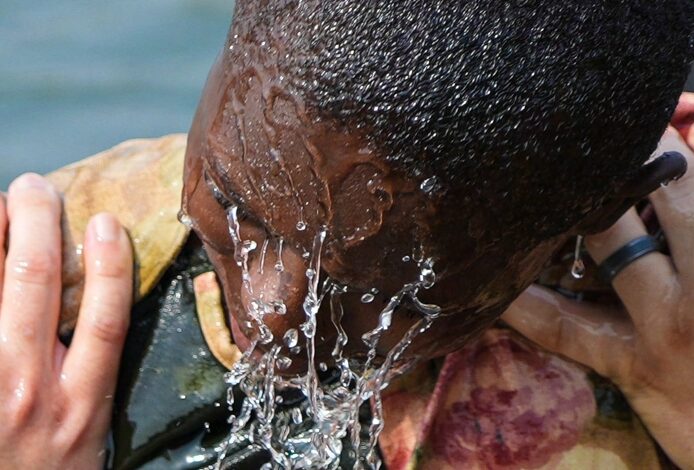
A young Muslim boy in a remote village encounters the love of Jesus through a Christian school. As trust grows, Abdu discovers the truth of the gospel, bra...

After stepping into mission work at 26, Jang Doo‑Sik discovered that calling rarely comes with certainty. Today, as only 2% of Generation Z are reached w...
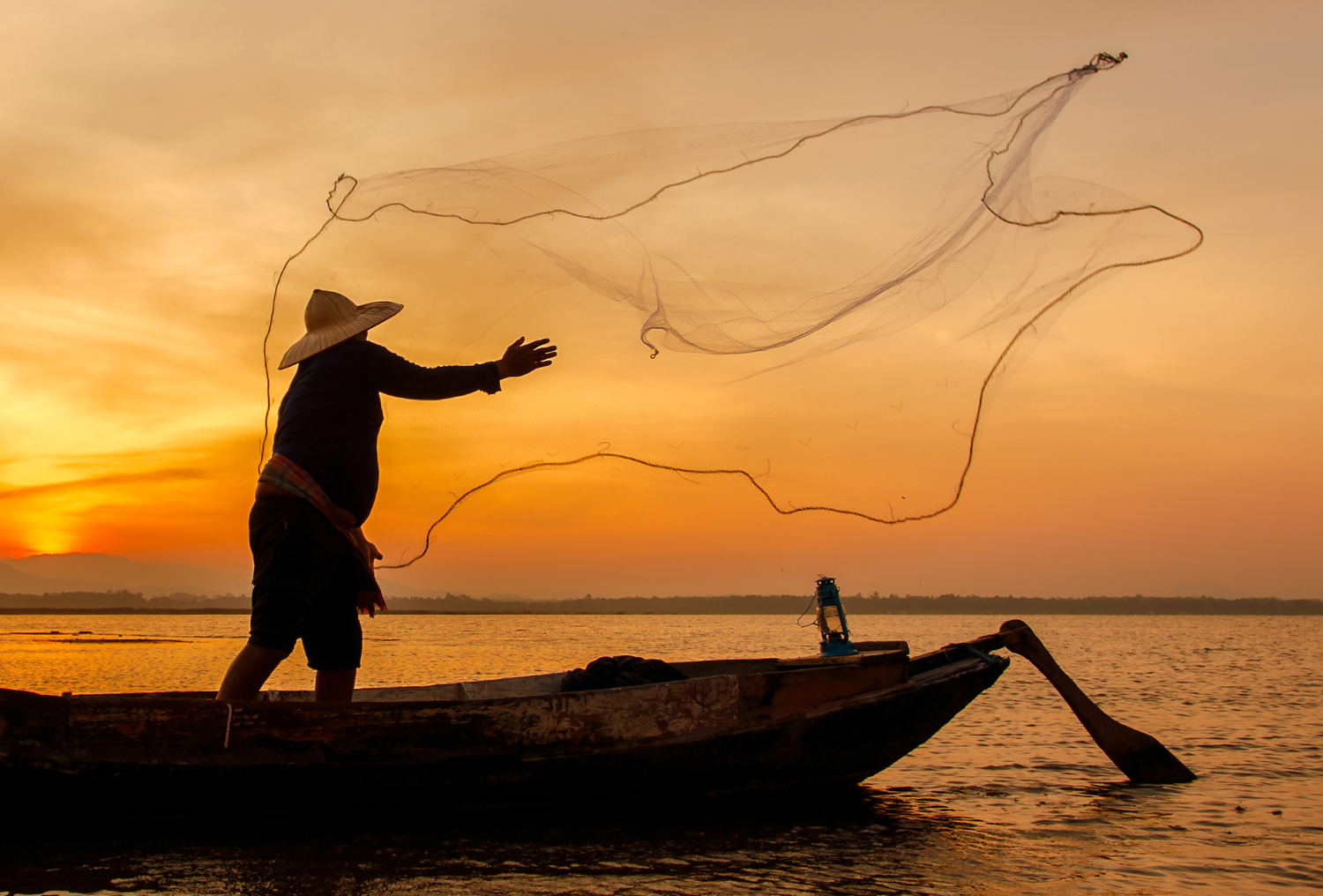
In the glittering cities of the Arabian peninsula, one worker’s encounters with migrant lifeguards become a vivid reminder of the urgent call for Christi...
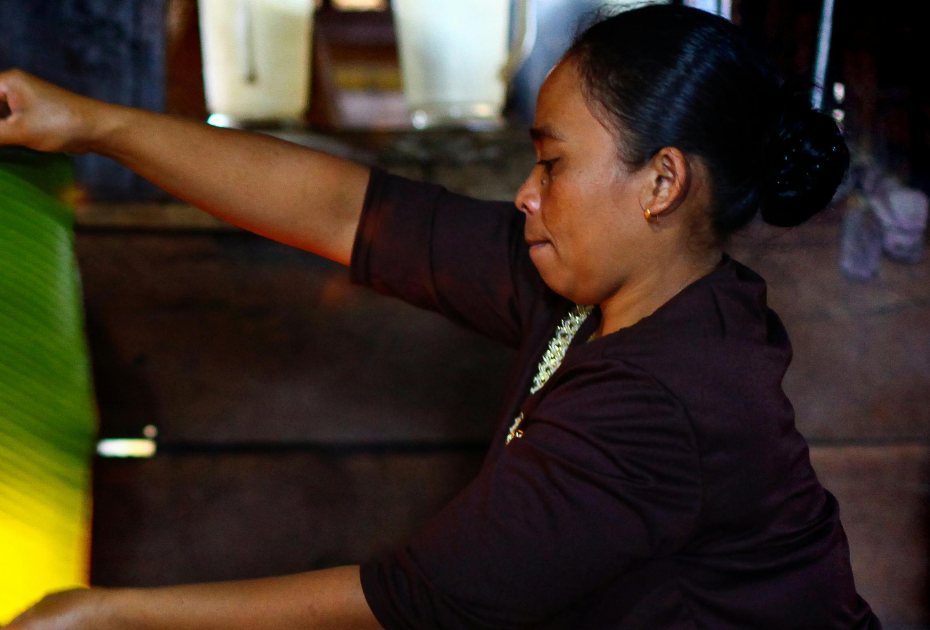
In West Timor, where poverty and limited opportunities leave families vulnerable to exploitation, anti-trafficking work is focused on walking alongside com...
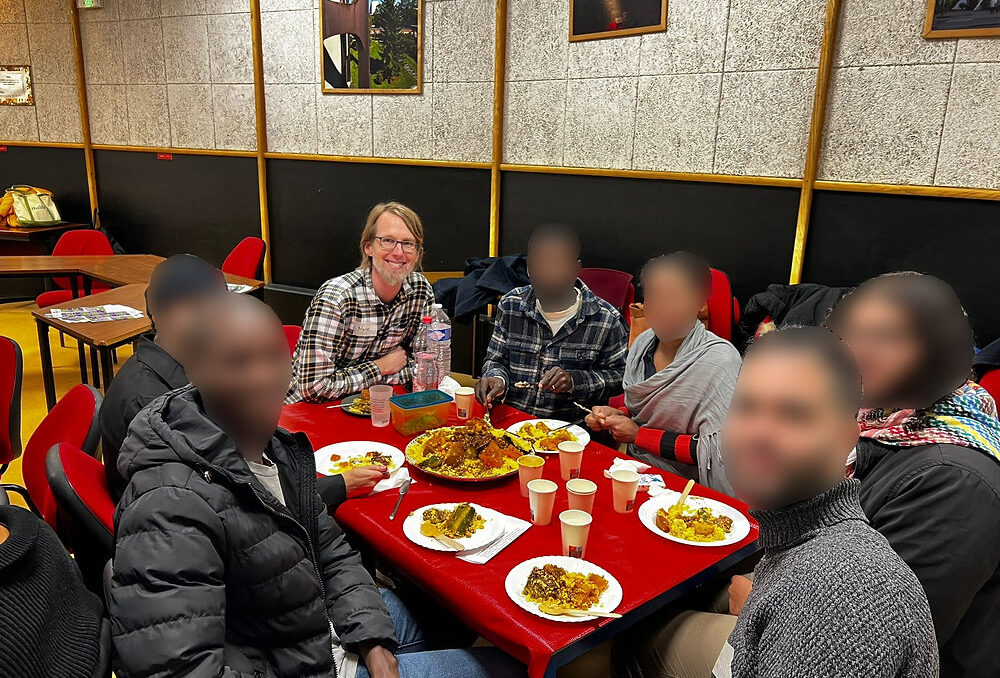
As Ramadan approaches, mission worker Nate based in Strasbourg reflects on why respectful interfaith dialogue matters — and how genuine friendship, peace...
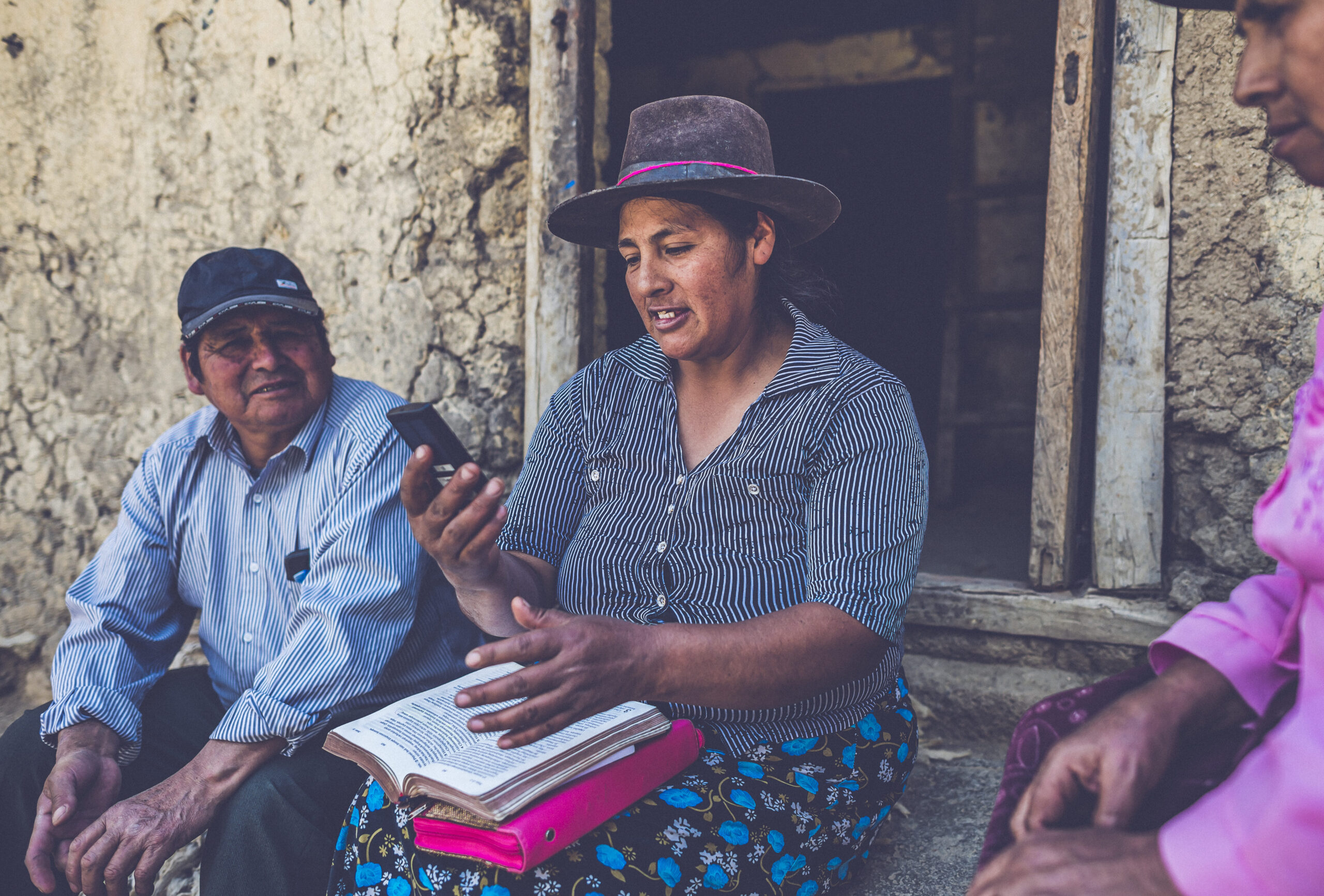
In 2026, we renew our call to stay connected: to Christ, to one another, and to the communities where the gospel is least known. Join us in prayer as we pu...