What remains after years of living and serving in Benin

BENIN, WEST AFRICA | 17 February 2026

After 13 years serving in Benin with SIM, Sarah and Lee have returned to Germany, their sending country. Lee, who served as a finance manager and later team leader, now works at DMG’s home base. Sarah cared for their four children while investing deeply in children’s ministry in their community — including weekly outreach to Talibé boys. As they look back, Sarah reflects on faithfulness, partnership with the local church, and the question that followed her: Was it enough?

By Sarah, an SIM DMG mission worker 

Through the mission organisations SIM, DMG, and WEC, a church was founded by foreigners in 1975. Benni and I have been part of this church since 2016, serving alongside many faithful co-workers. Over the years, the church has grown significantly. Growth brings energy and new ideas, which can be enriching. It can also bring tension and misunderstanding.

Working within an international team has forced us to ask difficult but necessary questions. Have we remained committed to working with the local church rather than alongside it? Have we built something that can last beyond our own presence?

It was within this context of shared leadership and responsibility that another question began to follow me.

Was it enough?

Was it enough?

Toward the end of our time in Benin — and even long before that — this question kept returning.

Was it enough?

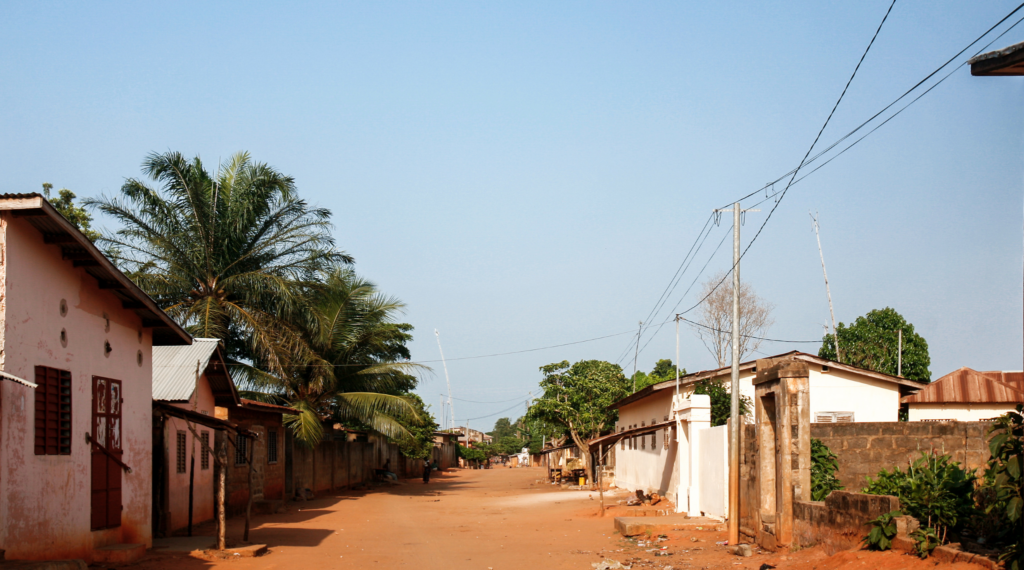
When my son and I were first welcomed into West Africa in 2004, what was meant to be a short stay slowly became a long-term missionary commitment, with assignments across several countries. In March 2021, we moved from southern Benin to the central-western region.

Lee served first as a financial manager and later as a team leader with additional responsibilities. I cared for our (now four) children, supervised their German distance schooling, and opened our home to neighbourhood children. Much of my ministry unfolded in the ordinary rhythms of daily life — through hospitality, children’s clubs, church gatherings, and time spent listening.

As our time in Benin came to an end, the contrast between the lives of children there and those in Germany felt especially stark. Again, the questions surfaced.

Did I give enough?
Did I invest enough?

At times, doubts about our impact quietly crept in.

Among the people

In many West African cultures, relationships are built through hospitality. Trust grows when you are invited into someone’s home — or when you invite them into yours.

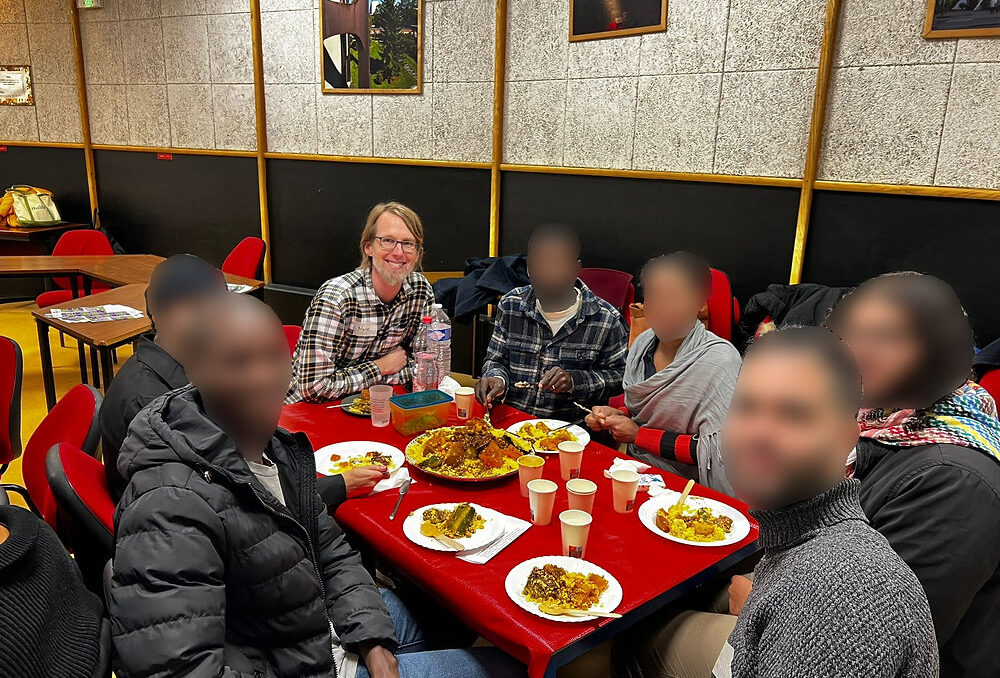
From our years in Benin, I remember countless encounters with local families. Many friendships began with simple visits, often unplanned and unhurried. Over time, acquaintances became friends.

Still, I found myself asking: Did we invest enough in these relationships? Did we open our hearts fully to the people around us?

In their hearts

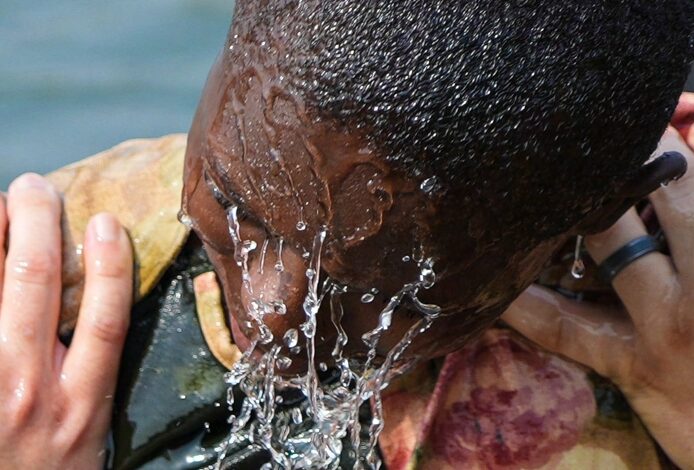
For the past four years, we ran a weekly club for Talibé boys — young boys who live at the mosque and study the Qur’an, hoping one day to find recognition and a place in religious service. They are not allowed to leave the mosque grounds.

Every Tuesday afternoon, however, they were permitted to come to our compound.

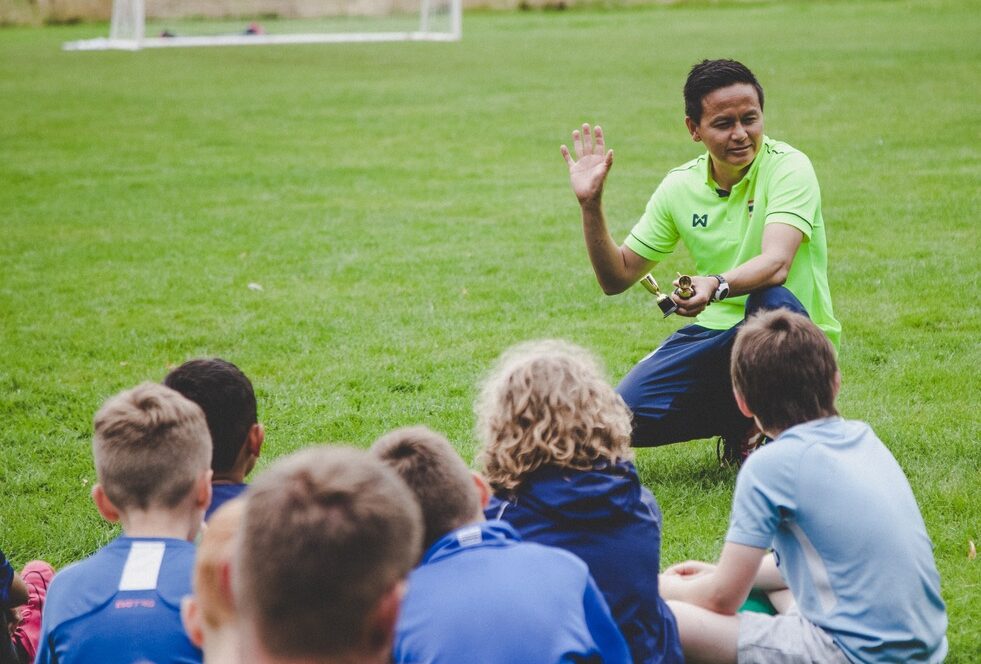
There, they could wash, play football, and find someone who would listen. We organised futsal, cleaned the toilets, served food, and helped financially where we could. We prayed with them and told them about Jesus. The fact that we were allowed to do this work at all felt like a gift.

When I saw the boys during the week, it often felt as though Tuesday was the day they were waiting for. What we offered may have seemed small, but it mattered. Year after year, I saw how the gospel gently found its way into their hearts.

The children who carry more than we see

On Saturdays, there was a children’s gathering. It was a blessing that our children could play with other mission children — they spoke the same language and shared similar experiences.

This gathering grew out of the SOGO ministry (“Men from the Street”), which was created to support the children of these men. Often, it is the children who carry the weight of instability most quietly.

It is the little boys who help with decorations.
The children whose faces light up when they see a picture of Jesus.
The children who hear about Jesus even when their father does not come home.
The children who rejoice over a small gift.
The children who hear about Jesus even when they do not know what tomorrow holds.

Faith is not easy when the future feels uncertain.

When you do not know how the rent will be paid.
When work feels overwhelming.
When you are unsure how to raise your children well.
When school feels like a struggle.
When leadership feels heavier than expected.
When world events feel out of control, shaped by decisions beyond your reach.

Not knowing what comes next is hard. And yet, I hold on to what I do know: Jesus is our Saviour, even when the future remains unclear.

It is a miracle that God leads us.
It is a miracle that God loves us.
It is a miracle that God does not abandon or forget us.
It is a miracle that God does not give up on us.
It is a miracle that God sees us, even when we feel small.

It is a miracle when God works deeply in human hearts.

This article was originally published in DMG’s magazine.

Please pray

  • For Sarah’s family during this season of transition. The responsibilities ahead are significant, and their children will need to settle into a new school.
  • For encouragement, trusting that God’s work is never wasted — and that what feels unfinished to us may still be enough in His hands.