
By Susan Akyeampong
How do you hold on to God’s word when you can’t hold it in your hands?
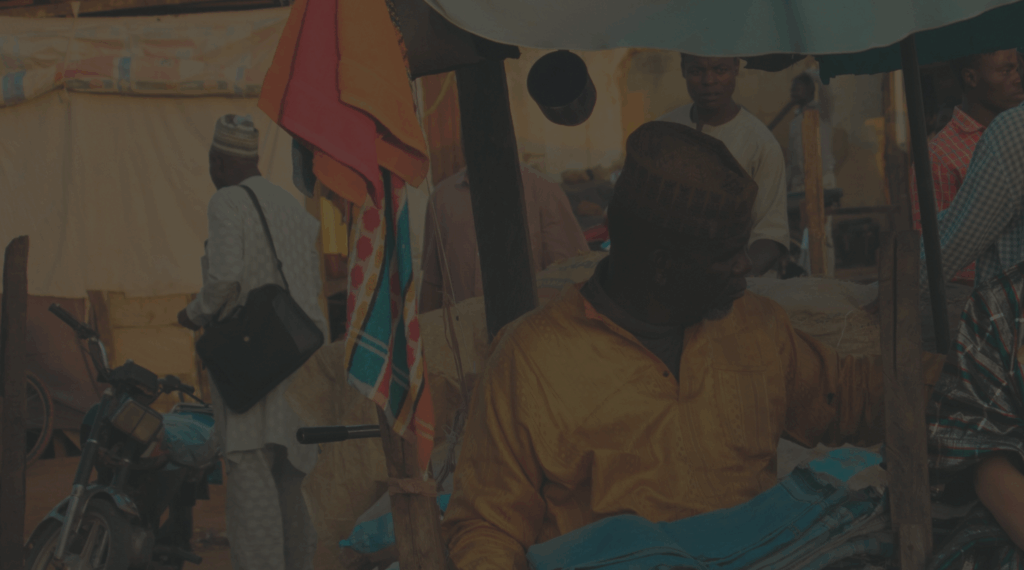
For many people in parts of this African country, being a Christian and owning a Bible can be dangerous because of the influence of Islam. While in freer countries, people can choose to follow Jesus and use scripture to learn more about Him, for others simply being seen with a copy could put their lives at risk.
Certainly, in places where the gospel cannot be openly shared, spiritual darkness feels like living under the weight of duty instead of the freedom of knowing Jesus personally. Religion becomes a matter of rituals, rules, and social expectations.
For many, daily life is filled with careful calculation and the life-giving truth of scripture is mostly out of reach, leaving hearts longing for the God who wants relationship and intimacy with us.
Mission worker Daniel*, sent from SIM USA, explains that for these believers, even owning or carrying a Bible could get them into serious trouble with authorities. Because of this, they memorise entire passages of scripture so they can share the good news in secret without putting themselves at risk. It’s extraordinary dedication in the face of real risk.
Stepping into this environment, a small group of students arrived at a Bible conference in this African country. The gathering brought together believers from across the region who are being equipped to translate scripture into their own tongue. According to Wycliffe Bible Translators, around one in five people worldwide, some 1.5 billion, still don’t have the full Bible in the language they understand best.
One of Daniel’s* students at the Bible college, a pastor, attended the conference. He told Daniel* of young men from restricted areas who shared extraordinary stories: no access to written Bibles in their language, so they commit scripture to memory word by word.
For these students, memorisation becomes both a survival tool and a bridge to the written Word. In a place where a physical Bible is forbidden, knowing God’s Word by heart allows them to teach, encourage and strengthen others safely in their communities. But their goal is never only memorisation, it is to see the Bible in print, to engage it fully, and to preserve it so future generations can read, study and live by it.
“Memorisation is impressive” Daniel* says “but God has chosen to give us His Word in text. We’re a literate religion. We read, we write, we study Scripture because God speaks to us through it.”
Share Christ's light, pass this story on.
You might also like
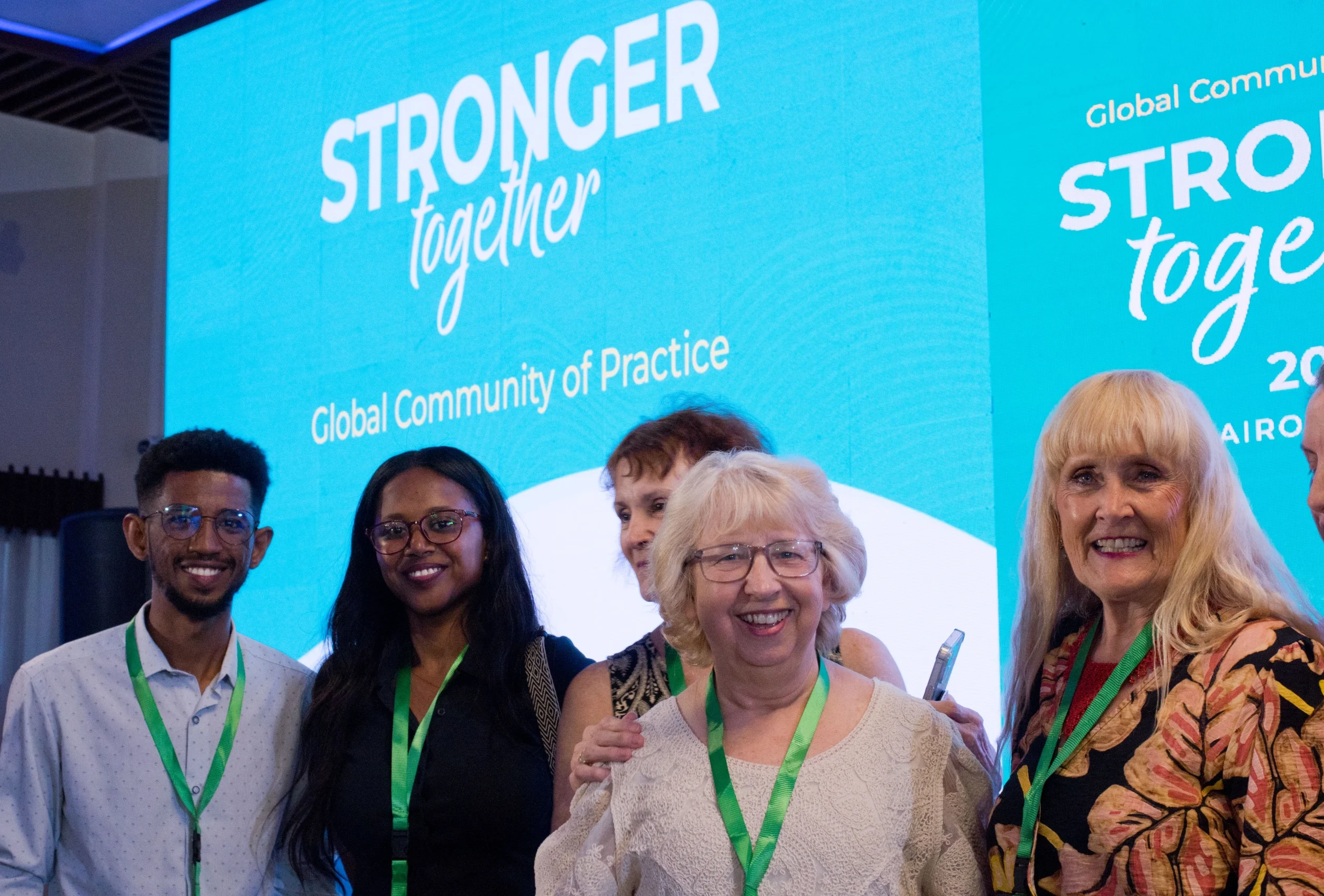
More than 40 nations gathered in Nairobi for the Trauma Healing Institute’s Global Community of Practice, the first held outside North America, celebrati...
When a new mum found herself overwhelmed by depression and doubts about her worth, SIM mission worker and psychologist Gina McConley stepped in with gentle...
After 13 years serving in Benin with SIM, Sarah and Lee have returned to Germany, their sending country. Lee, who served as a finance manager and later tea...
After 13 years serving in Benin with SIM, Sarah and Lee have returned to Germany, their sending country. Lee, who served as a finance manager and later tea...
A young Muslim boy in a remote village encounters the love of Jesus through a Christian school. As trust grows, Abdu discovers the truth of the gospel, bra...
After stepping into mission work at 26, Jang Doo‑Sik discovered that calling rarely comes with certainty. Today, as only 2% of Generation Z are reached w...

For mission workers, a prayer letter is a way of inviting others into the story God is writing. SIM mission worker Mark Azzopardi reflects on how to write ...
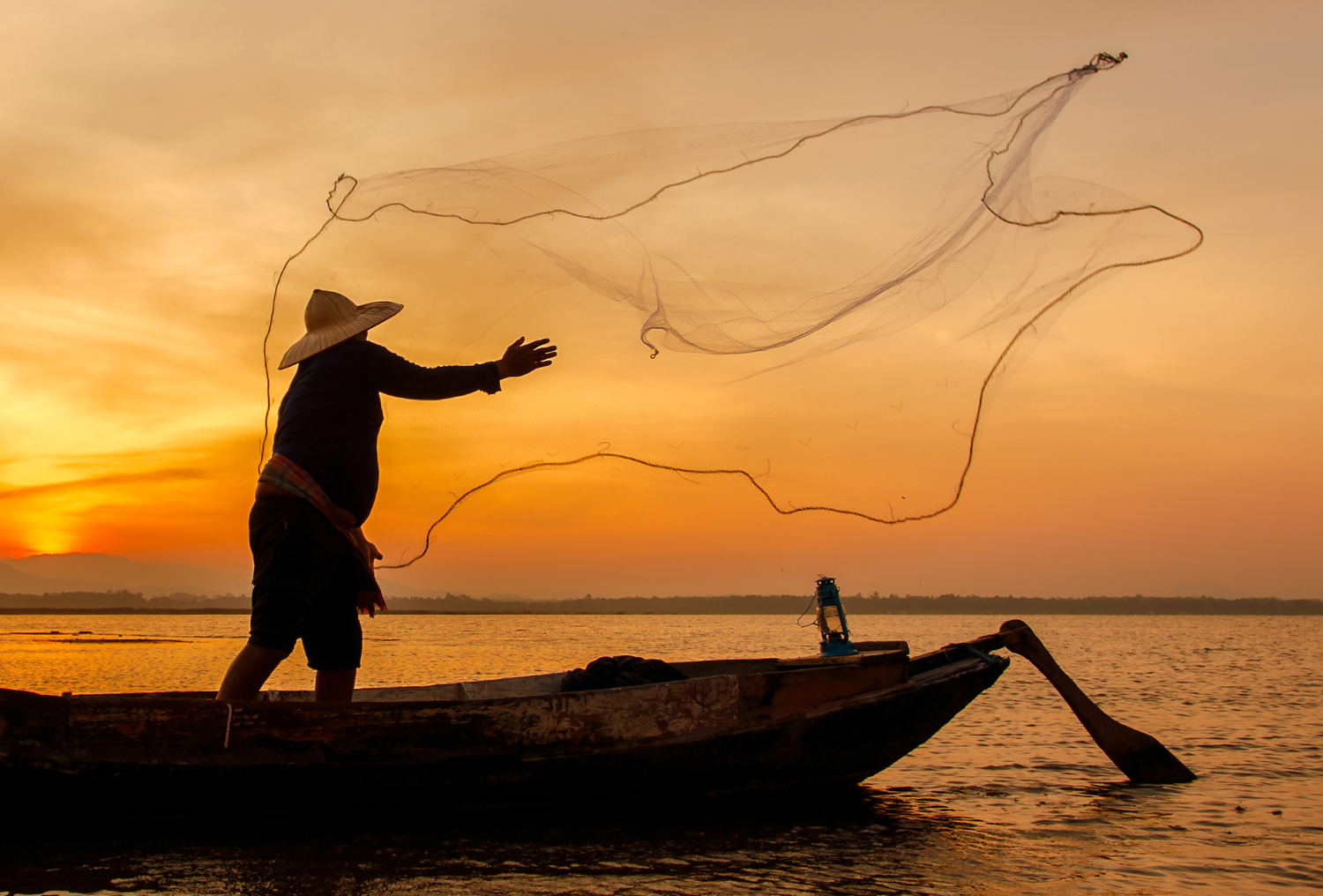
In the glittering cities of the Arabian peninsula, one worker’s encounters with migrant lifeguards become a vivid reminder of the urgent call for Christi...
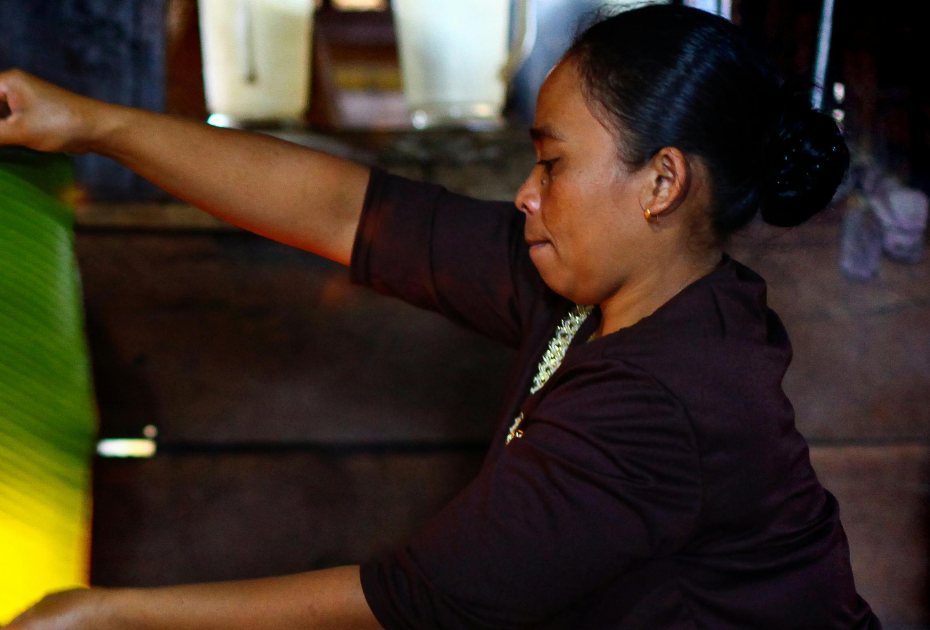
In West Timor, where poverty and limited opportunities leave families vulnerable to exploitation, anti-trafficking work is focused on walking alongside com...
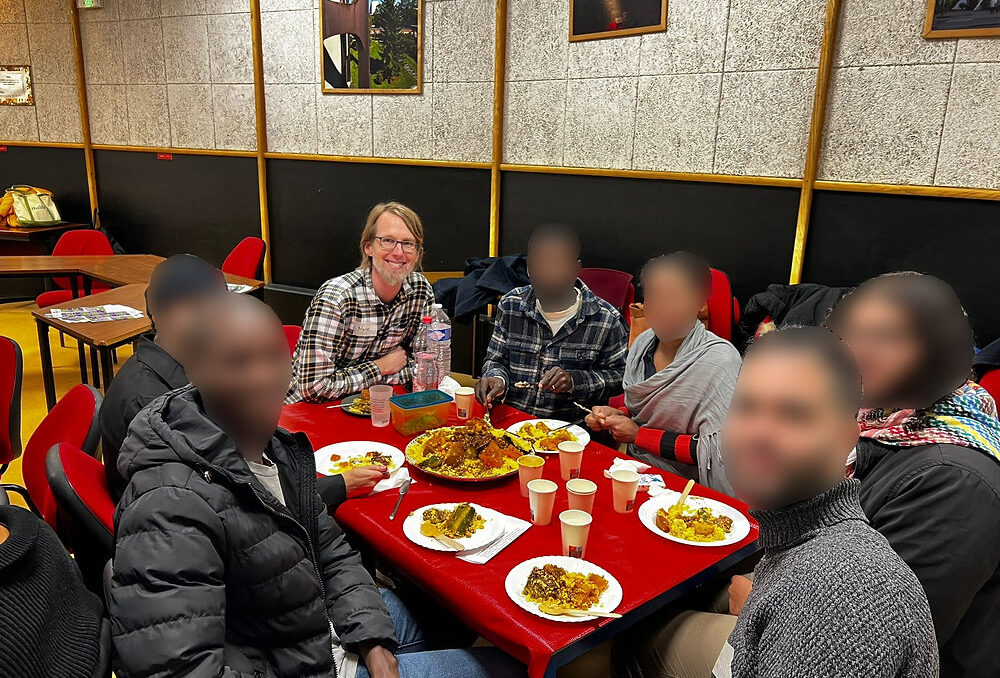
As Ramadan approaches, mission worker Nate based in Strasbourg reflects on why respectful interfaith dialogue matters — and how genuine friendship, peace...
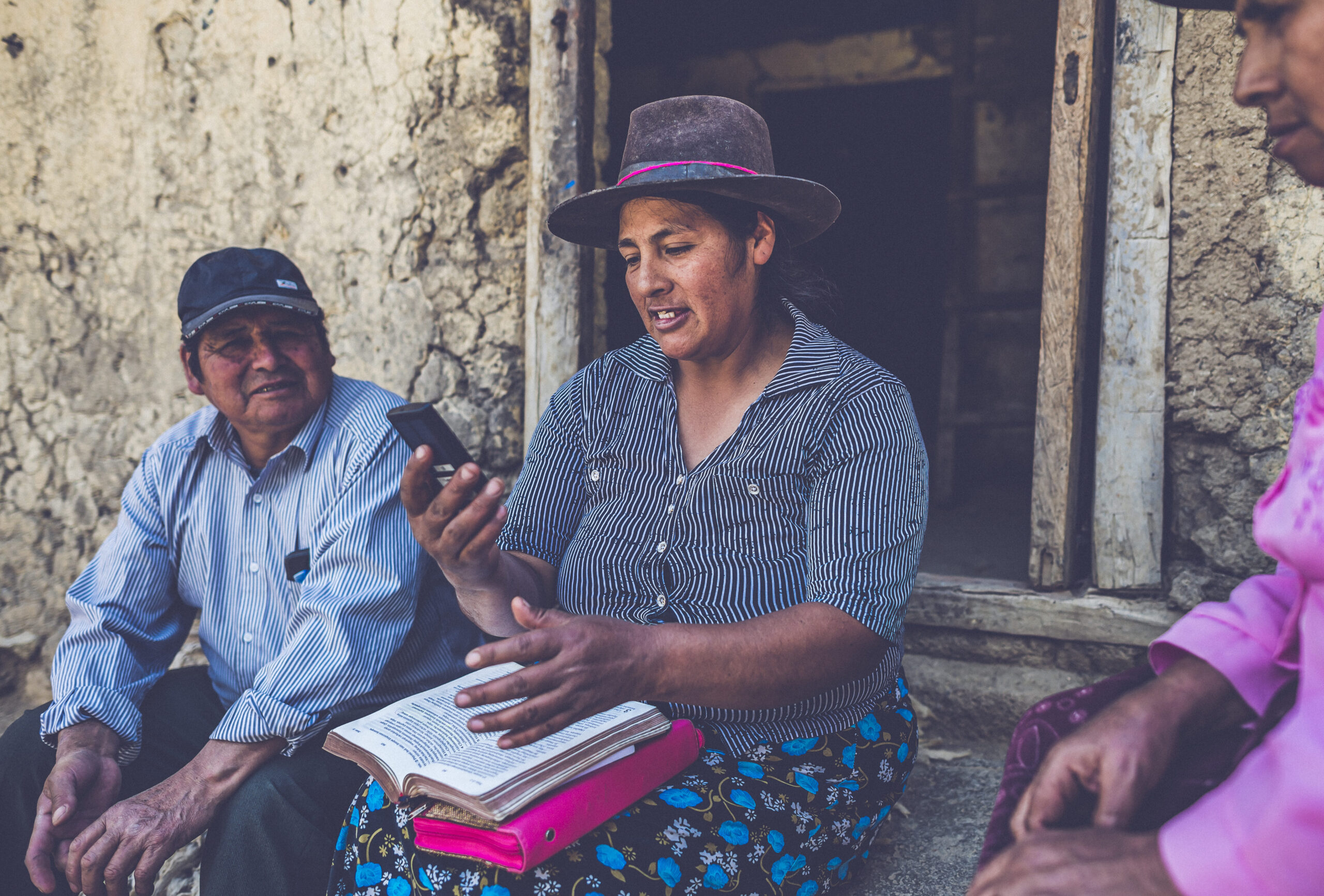
In 2026, we renew our call to stay connected: to Christ, to one another, and to the communities where the gospel is least known. Join us in prayer as we pu...
When León and Mari arrived in the spiritually resistant town, they faced hostility and isolation. But through patient presence, genuine relationships, and...