
Reshaping mission: voices from Ethiopia
In Ethiopia, mission is taking new forms. Technology is opening doors into places once unreachable, and local believers are stepping forward with deep cultural understanding and a growing vision to send workers beyond their borders. Together, they are shaping a future where the gospel is carried by many voices, from every nation to every nation.
By SIM New Zealand
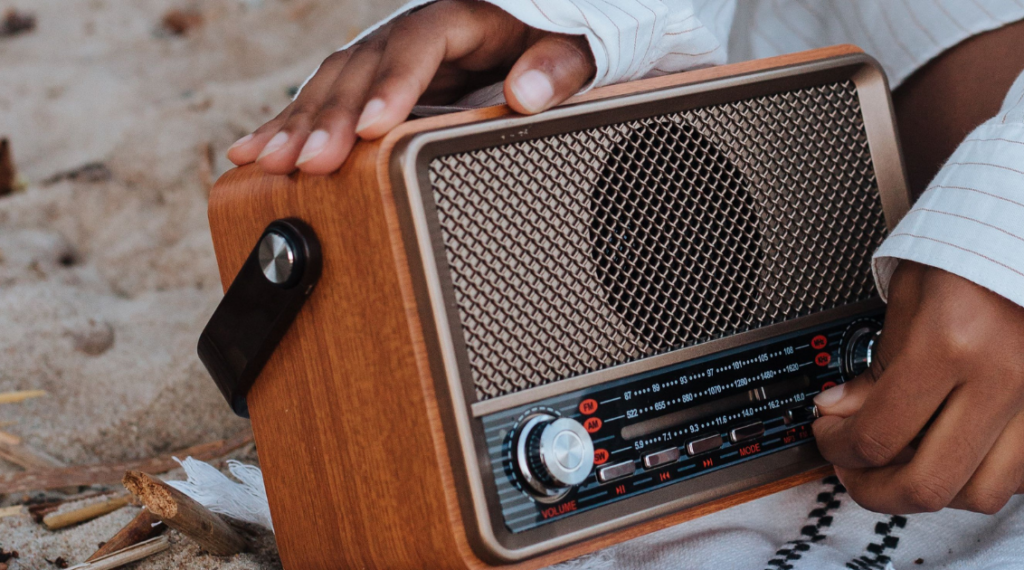
From here, voices carry across mountains and borders into places where mission workers cannot easily go. Programmes are recorded, stories are shared, and the message of Jesus is broadcast into homes and communities far beyond reach.
Somewhere, a listener tunes in for the first time. Somewhere else, someone hears and begins to ask questions.
“Thousands are hearing the gospel in this way,” one team member reflects.
This is just one glimpse of what mission looks like today. At its heart, very little has changed. Mission is still about proclaiming Christ. But the world in which that takes place has shifted dramatically. We now live in a globally connected age. People move across borders more easily, conversations happen online, and the traditional patterns of long-term, foreign mission have started to change. Where earlier generations might have spent decades in one place, today’s workers often serve in more complex and fluid ways. The message has stayed the same. But the pathways are different.
New pathways for the good news
In Ethiopia, those changing pathways are visible in many forms. Technology is one of them. Radio, social media and digital platforms are opening doors into places where physical access is limited or even impossible. Through these means, the gospel is being heard in regions that were once nearly unreachable.
But innovation is only part of the story.
Running alongside it is a conviction that the gospel takes deepest root when it is carried by local voices. For decades, SIM Ethiopia has invested in equipping Ethiopian believers for exactly this reason. They understand their own communities deeply, through language, culture, and shared experiences.
“They have the clearest grasp of cultural nuance,” the team explains.
That understanding becomes especially important in moments of hardship. In regions affected by conflict, poverty, or trauma, local churches and ministries are stepping forward, not only to share the gospel, but to bring healing. Medical work, counselling, and trauma care are becoming expressions of this.
Honouring the past
Earlier generations of missionaries often entered entirely new territories, learning unfamiliar languages and facing deep uncertainty. Some walked into communities that were wary, even hostile, toward a foreign presence. Their stories include both hardship and remarkable moments of God’s grace – lives changed, communities transformed, and, at times, great personal sacrifice. Those stories still matter. They are part of the foundation on which today’s work stands. But the context has changed.
From receiving to sending
Two key shifts have reshaped mission in Ethiopia.
The first is the growth of the evangelical church itself. What was once a small minority has become a large, vibrant community of believers. Today, millions of Ethiopians are part of Evangelical churches. The church is no longer fragile or emerging – it is established, active, and growing. That changes the role of mission organisations. Rather than working for the church, SIM Ethiopia now works with it, sharing the same vision of making Christ known.
“What needs to change so that mission can truly become global?”
The second shift perhaps carries even greater significance. Ethiopia has become a sending nation. Across the country, churches are looking outward. There is an awareness that the call to share the gospel is not limited by geography. It does not belong to one region or another. It belongs to the whole church.
This vision is already taking shape. Training programmes are helping prepare Ethiopians for cross-cultural mission. Churches are being equipped to understand both the opportunities and responsibilities of sending.
“Thousands are hearing the gospel in this way.”
Re-learning
With that shift comes a set of important questions.
What needs to change so that mission can truly become global? What assumptions might need to be re-examined?
“A church that sends from every nation to every nation is not something to fear or apologise for. It is something to celebrate.”
There is a growing recognition that genuine partnership requires more than good intentions. It calls for humility, flexibility, and sometimes the willingness to lay down familiar ways of working. Systems and structures may need to be adapted. Expectations may need to shift. The goal is not simply to include voices from different parts of the world, but to ensure they are fully heard, valued, and empowered.
“Programmes are recorded, stories are shared, and the message of Jesus is broadcast into homes and communities far beyond reach.”
This is a gift to embrace. A church where mission is shared, every nation participates and where the gospel is carried not by a few, but by many.
“A church that sends from every nation to every nation is not something to fear or apologise for. It is something to celebrate.”
And in places like Ethiopia, where radio studios, local churches, and communities are proclaiming the good news – the future of global mission is already beginning to take shape.
This article was first published in SIM New Zealand’s Together magazine.
Please pray
- For Ethiopian believers who are sharing the gospel through radio, digital media, and local ministries, asking God to guide those who hear the message for the first time.
- For great partnerships within the global church, that believers from every nation would be equipped, valued, and empowered to participate fully in God’s mission.
- For resilience for churches and ministries in regions affected by conflict, poverty, or trauma, that their work in healing, counselling, and care would reveal Christ’s compassion and hope.
You might also like
University students in Central Asia are learning how the Old Testament points to Jesus. They are gaining confidence to share their faith with friends, fami...
At Kijabe Hospital in Kenya, trainee neurosurgeon Dr Baraka is learning to care for patients with excellence while growing as a disciple of Jesus. As he pr...
Following God's call does not always mean leaving your profession behind. One healthcare worker in the Middle East is using her skills and her workplace to...
Five years into life in North Africa, one mission worker reflects on the unexpected ways God has been shaping their family, teaching them to loosen their g...
As an occupational therapist in the Middle East, Kate* serves children with special needs and their families. Through therapy, prayer and genuine friendshi...

God often works through unexpected passions and everyday friendships to draw people to Himself. One climbing ministry in the Middle East is creating opport...

Dave had always planned to become a teacher and sports coach, but never expected those dreams to take him to the Middle East. Today, he uses both his profe...
Christians are called to live differently from the world around them so that others can see how Jesus impacts a daily life. One mother serving in North Afr...

Before anyone shares the good news of Jesus, God may already be at work preparing the way. One family serving in the Middle East has seen how dreams and fr...
Rania* grew up in a North African city where music filled her days. She found an unexpected refuge behind the door of an old church. There she discovered t...

In North Africa, where spiritual opposition and persecution can make ministry challenging, workers are learning to persevere in prayer, trusting God to bri...
Meet Lily and Peter, two children growing up in North Africa. They share what everyday life is like, from school and friendships to faith, family, hobbies ...