
By Susan Akyeampong, SIM International
People are often surprised by Barbara’s* husband. He’s a pastor and works long hours, but instead of heading to a coffee shop to unwind with friends at the end of the day, as many men do, he goes home to be with his family.
In their North African context, this stands out. Women typically carry most of the responsibility for the home and children. She explains, “Men aren’t usually involved in the day-to-day tasks of caring for their children.”
That expectation creates a challenge. As a pastor, her husband is expected to be available at all hours, and people don’t understand when he declines an invitation so he can be at home with his wife and children.
“It’s shocking to them that he would need to help with our children or be home in the evenings, because that is the opposite to what the culture does here,” she says.
For this family though, the choice is intentional. “That’s an element of the culture that we do want to push up against,” she explains. “We want to reflect what a family looks like where the family is focused on God, serving him and serving each other.”
Their family life has prompted conversations about why they live the way they do. A local friend once suggested that her husband’s involvement at home was simply down to their cultural background.
But Barbara was able to explain to them, “He doesn’t do it because I expect it. He does it because he loves me and he wants to serve our family as Christ serves his church. We’re different because we have Christ at the centre. And so, we want to live like He does and to value what He does.”
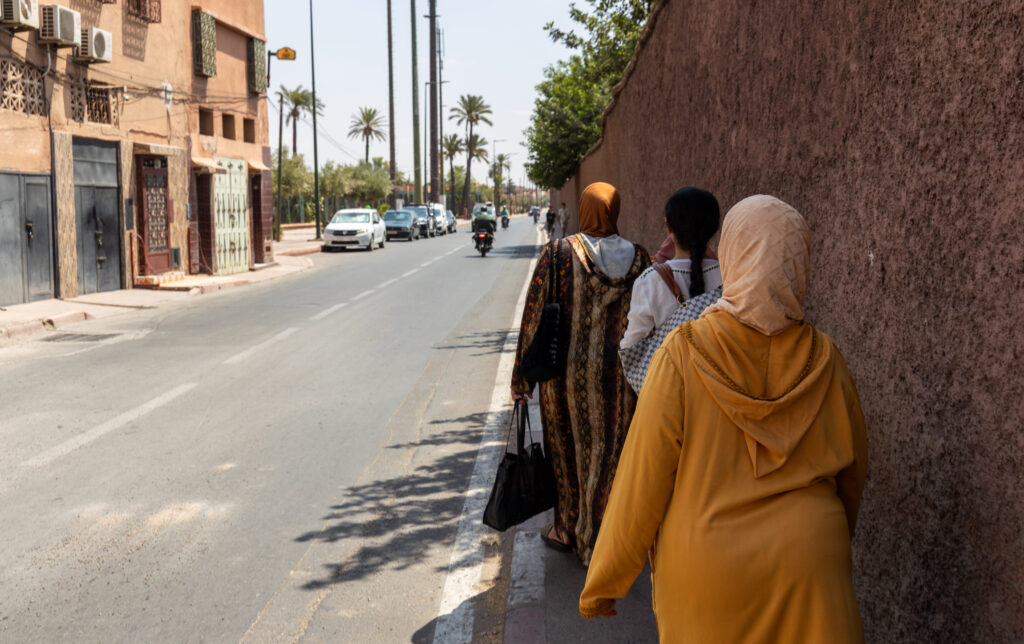
For Christians, being faithful often means living in ways that are counter-cultural. Family roles and expectations are deeply ingrained here, so the way Barbara and her husband love and serve one another has, in itself, become a witness.
Living as a Christian family in a majority Muslim context has meant learning which parts of the culture to embrace and which parts to challenge. It has also meant accepting that some of their most significant witness happens not through formal ministry programmes, but through ordinary family life.
Before getting married and having children, Barbara served in a range of ministry roles and thrived on responsibility. “I’m someone who is probably quite type A – I like to achieve things and get things done and enjoy being busy and having a role,” she says.
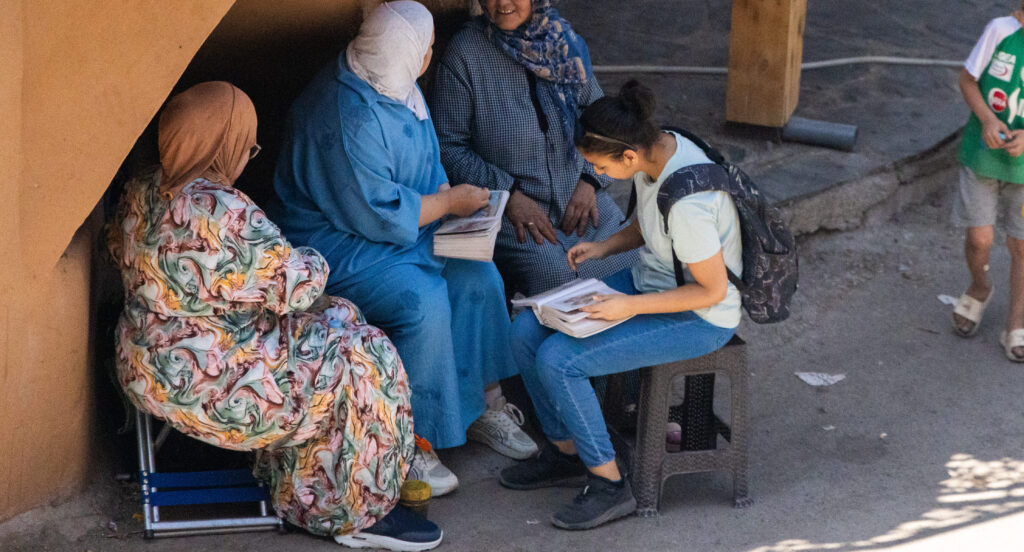
Now, most of her days are spent at home with their young children. It’s not the ministry she imagined, but it has opened doors she never expected. One of the most surprising has been through grief.
Please pray
- For Barbara’s vision to start a mothers’ group in her community, that God would open doors, bring the right women together, and use it to build friendship, reduce loneliness, and create space for faith conversations.
- That Barbara and her family would continue to reflect Christ clearly through their everyday life, and that their relationships and choices would point others to Jesus in a natural and compelling way.
- For the moments of unexpected ministry they encounter, including visits in times of grief, that their family’s presence would bring comfort and opportunities for meaningful conversations.
Could God be calling you to serve in North Africa?
We’d love to help you explore what that could look like.
You might also like
Before anyone shares the good news of Jesus, God may already be at work preparing the way. One family serving in the Middle East has seen how dreams and fr...

Rania* grew up in a North African city where music filled her days. She found an unexpected refuge behind the door of an old church. There she discovered t...

In North Africa, where spiritual opposition and persecution can make ministry challenging, workers are learning to persevere in prayer, trusting God to bri...
Meet Lily and Peter, two children growing up in North Africa. They share what everyday life is like, from school and friendships to faith, family, hobbies ...

For Tony, sharing Jesus in the Middle East starts with friendship. From watching football on the street to learning Arabic, he is building relationships wi...
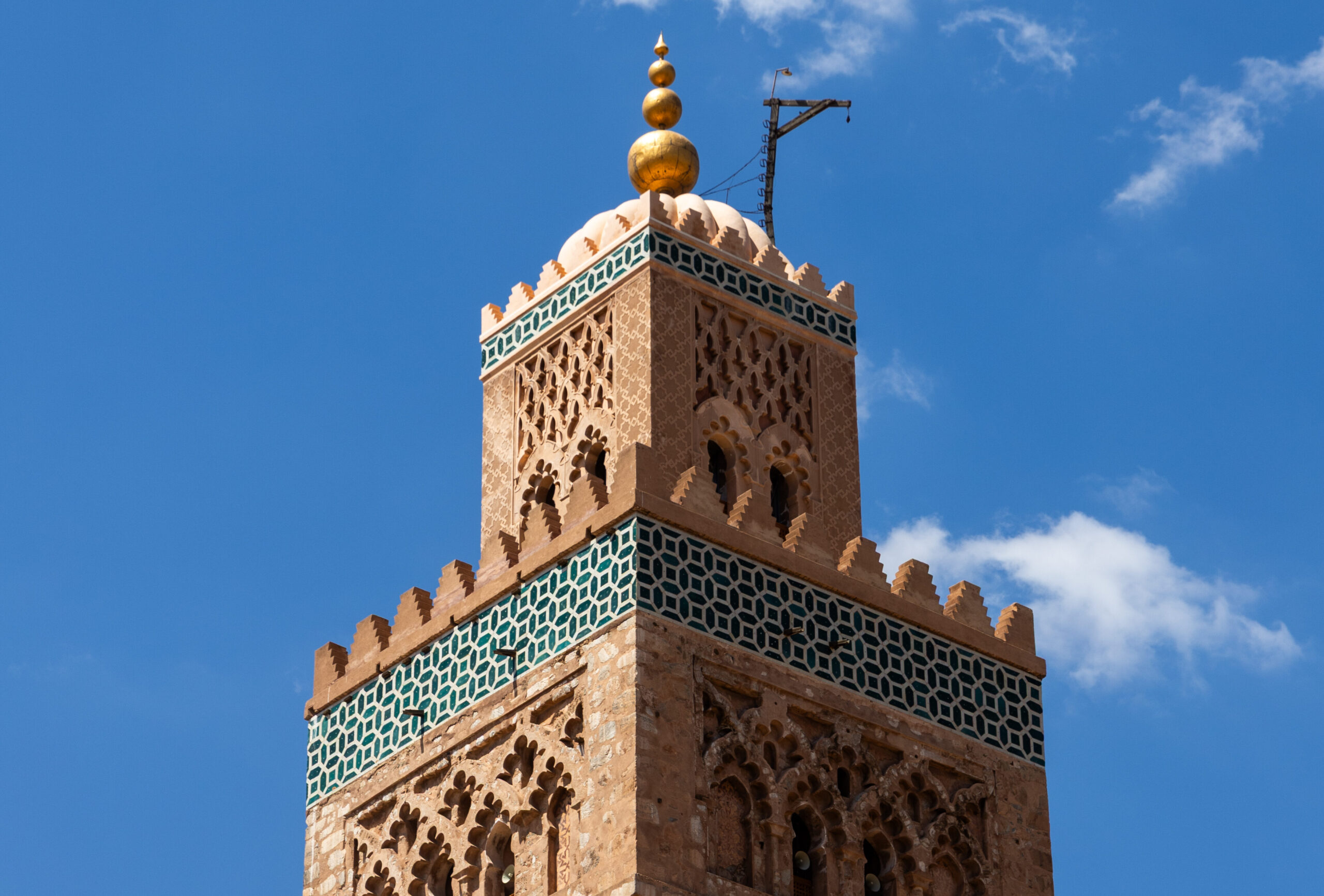
A look at North Africa’s diverse nomadic groups, how modern pressures are reshaping their lives, and the meaningful ways Christian believers can serve am...

The Middle East and North Africa are home to hundreds of millions of people who have never heard the truth of Jesus. God is opening remarkable doors across...
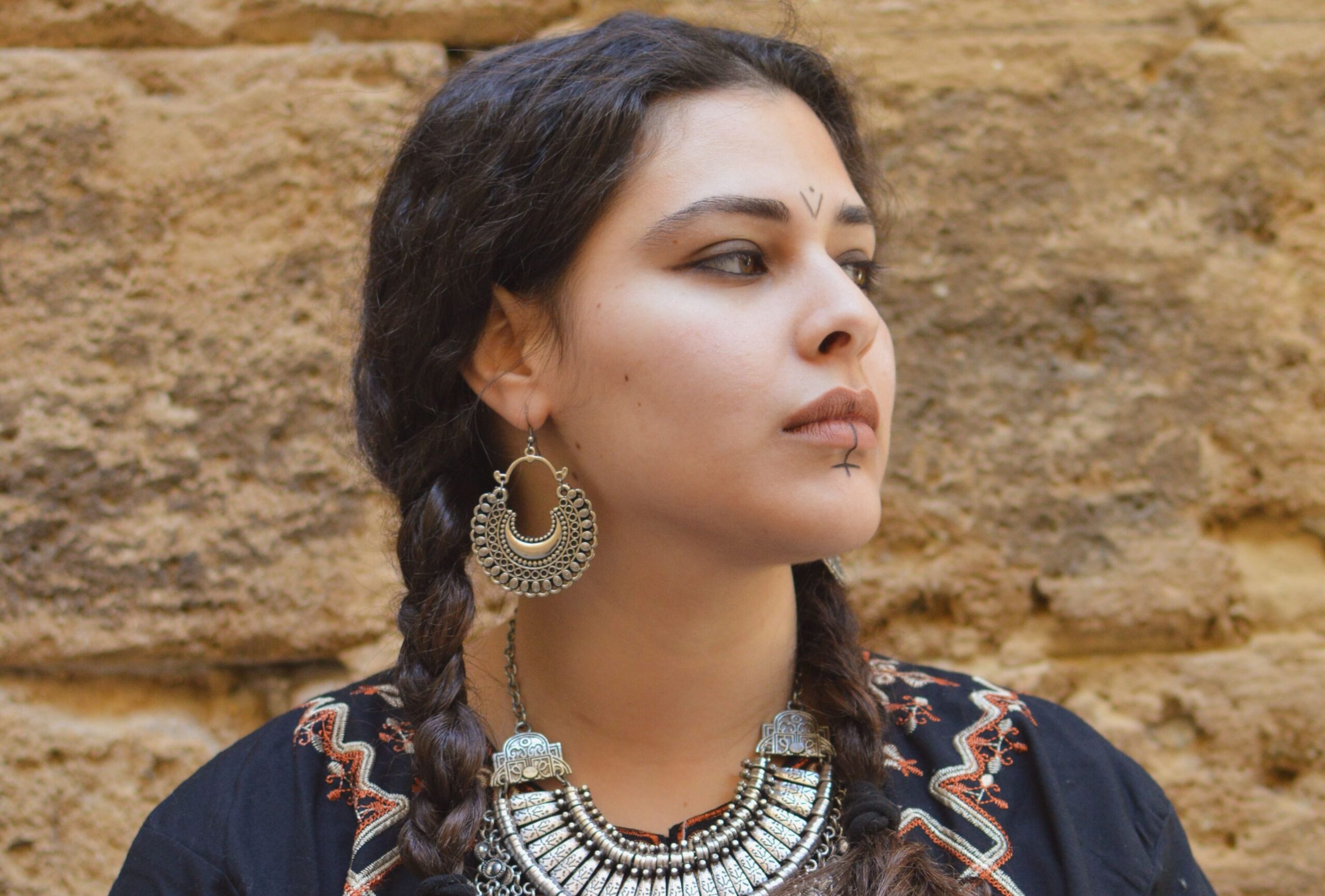
Across North Africa, Amazigh communities are reclaiming their language, culture and identity. As they rediscover their heritage including a largely forgott...
Richard and Valérie Morris have spent decades helping mission workers understand the spiritual realities they may face — from confronting fear and oppre...
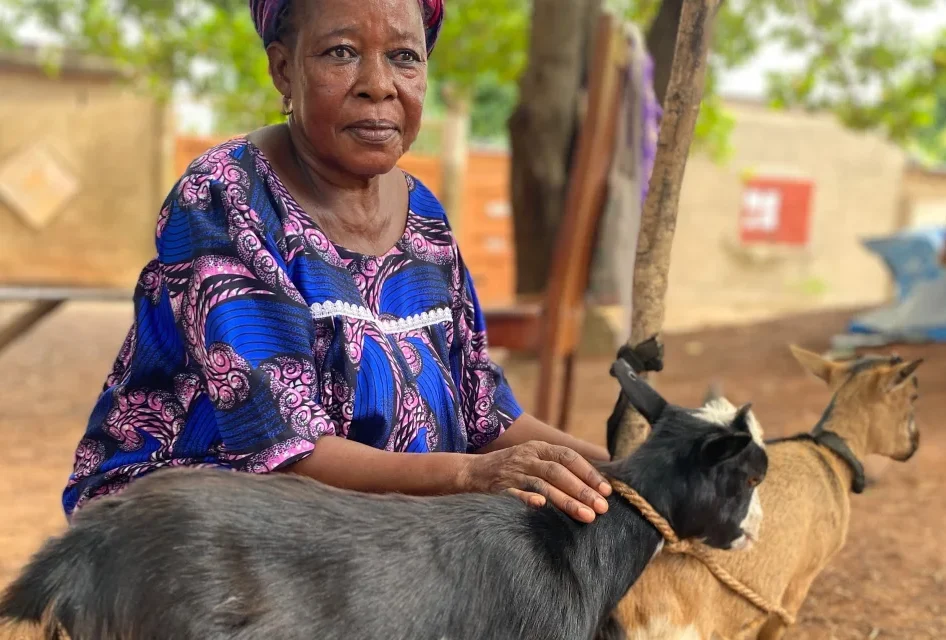
Widows in Benin are rebuilding their lives through an unexpected gift: two goats that offer income, dignity and the reminder that they are deeply loved by ...

Mission worker Dominique has spent the past eight months serving women in Nigeria’s Plateau State, where hundreds of widows are rebuilding their lives af...
We asked mission worker Ryan, how do learn to love the people and culture you serve?