
By Susan Akyeampong
When SIM mission workers León and Mari, both Ecuadorian, arrived in the southern town of Gonzanamá, they felt they were stepping into one of the spiritually darkest places in the country. Even with ten years of leadership and church planting training with Operation Mobilisation behind them, this area felt different. A well-travelled mission worker friend confirmed it, saying he’d felt the same heavy spiritual weight on his first visit.
Gonzanamá is a small, close-knit town tucked into the hills of southern Ecuador. For centuries, its identity has been shaped by a form of Roman Apostolic Syncretism that blends Catholic practice with local beliefs and idol worship.
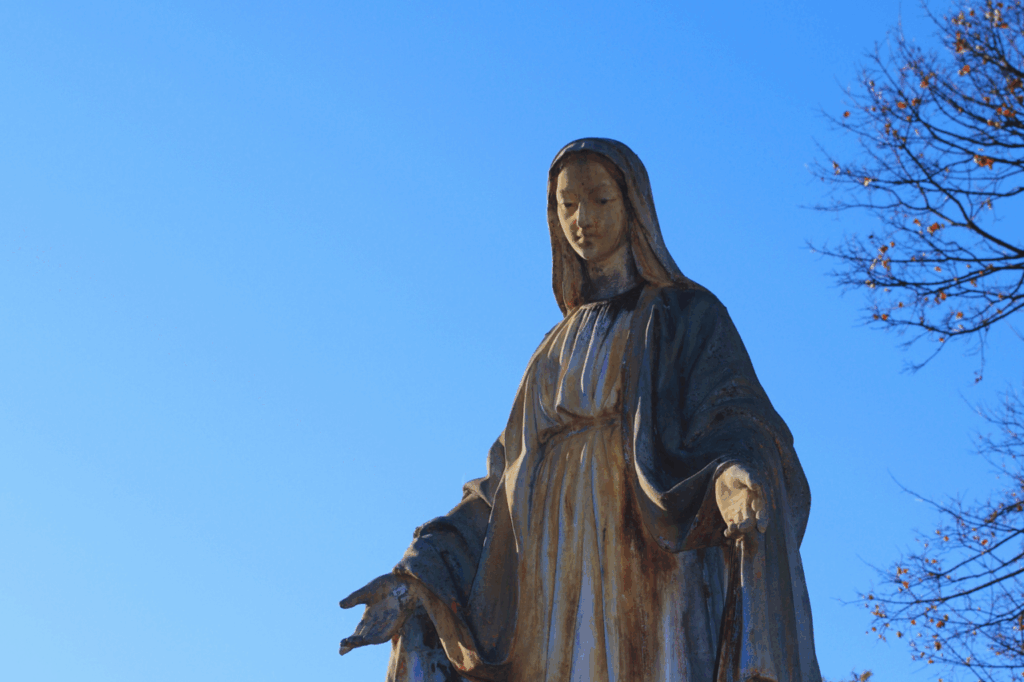
At the centre of local devotion is a statue of Mary (mother of Jesus) known as the Virgin of El Cisne, one of many found across the region. The original statue is in El Cisne, about three hours from Gonzanamá, and over the centuries it has been credited with miracles and protection from plagues. The story goes that in the late 16th century, a girl believed an image of the Virgin told her to build a temple and a statue to worship her. Mari explains, “That belief still shapes much of the town’s spirituality today. People here really believe these statues can save and heal them.”
It’s into this setting that León and Mari arrived five years ago. As evangelical Christians, they came to share the gospel but quickly discovered that the methods they’d learned and used in other places simply didn’t translate here. León recalls, “When we arrived, I went and stood outside the Catholic church to preach the gospel but everyone ignored me.”
“People tell us things they can’t tell anyone else. They know they can trust us not to gossip and that we will pray with them.”
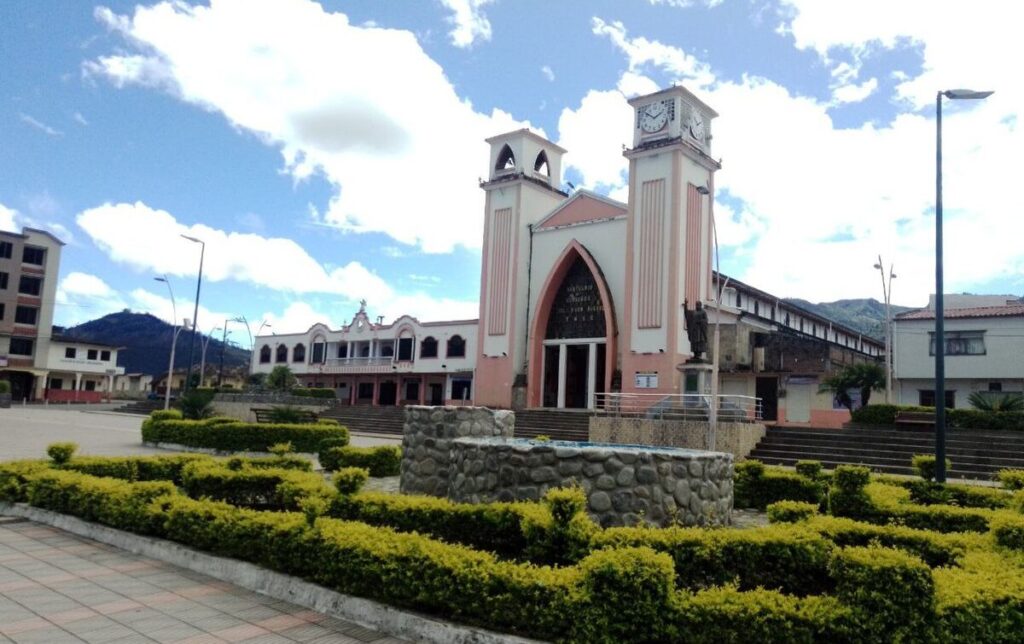
The family were met with severe ostracism in a town of just four streets, where everyone knew who they were and many refused to befriend them, do business with them, or even speak to them because of their faith in Jesus. “Even our children were treated differently. People would avoid them, and they didn’t have friends. It was very difficult.” Mari adds. The hostility extended to the Catholic Church too; León explains that the priest preached against them, lied about them, called them “demons” and warned people not to trust them.
The weight of isolation and the community’s deep resistance to Jesus often left the family questioning whether they should stay in Gonzanamá. “It was very discouraging at times. Everyone was so suspicious of us” Mari admits. They prayed, asking if they should move elsewhere but felt clearly led to stay. They decided to stay, determined to see Jesus at work despite the hostility, loneliness and the community’s resistance to the gospel. For them, staying became a test of trust and a reminder of how far God is willing to go to pursue the hearts of those He loves.
Share Christ's light, pass this story on.
You might also like
A young Muslim boy in a remote village encounters the love of Jesus through a Christian school. As trust grows, Abdu discovers the truth of the gospel, bra...
After stepping into mission work at 26, Jang Doo‑Sik discovered that calling rarely comes with certainty. Today, as only 2% of Generation Z are reached w...

For mission workers, a prayer letter is a way of inviting others into the story God is writing. SIM mission worker Mark Azzopardi reflects on how to write ...
In the glittering cities of the Arabian peninsula, one worker’s encounters with migrant lifeguards become a vivid reminder of the urgent call for Christi...
In West Timor, where poverty and limited opportunities leave families vulnerable to exploitation, anti-trafficking work is focused on walking alongside com...
As Ramadan approaches, mission worker Nate based in Strasbourg reflects on why respectful interfaith dialogue matters — and how genuine friendship, peace...
In 2026, we renew our call to stay connected: to Christ, to one another, and to the communities where the gospel is least known. Join us in prayer as we pu...
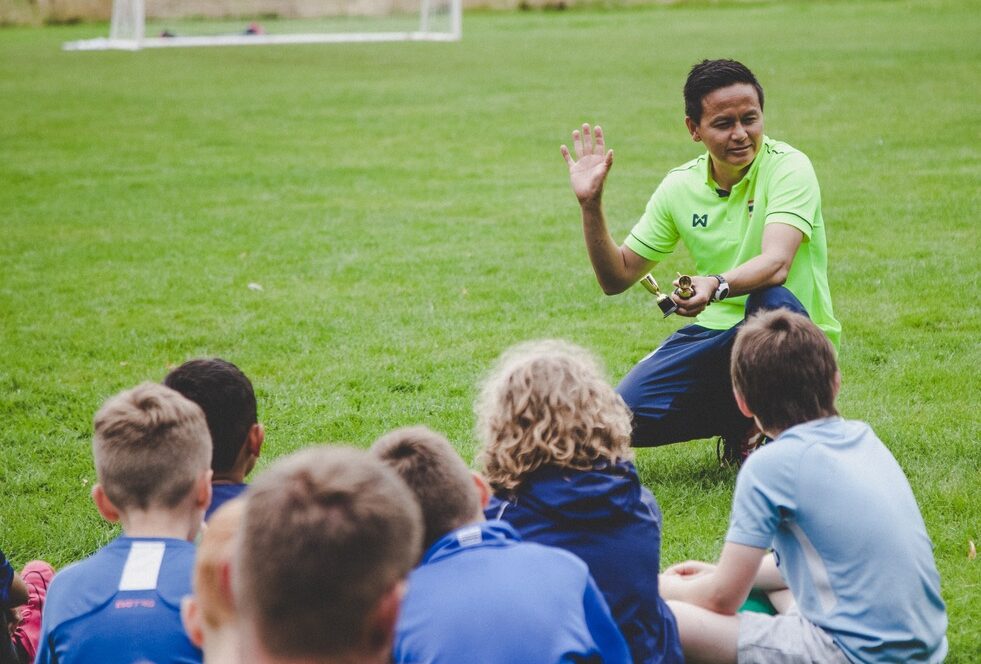
In Radcliffe, UK, children without father figures find hope through Sports Friends coaches. They are finding mentorship, love and learning about the faithf...
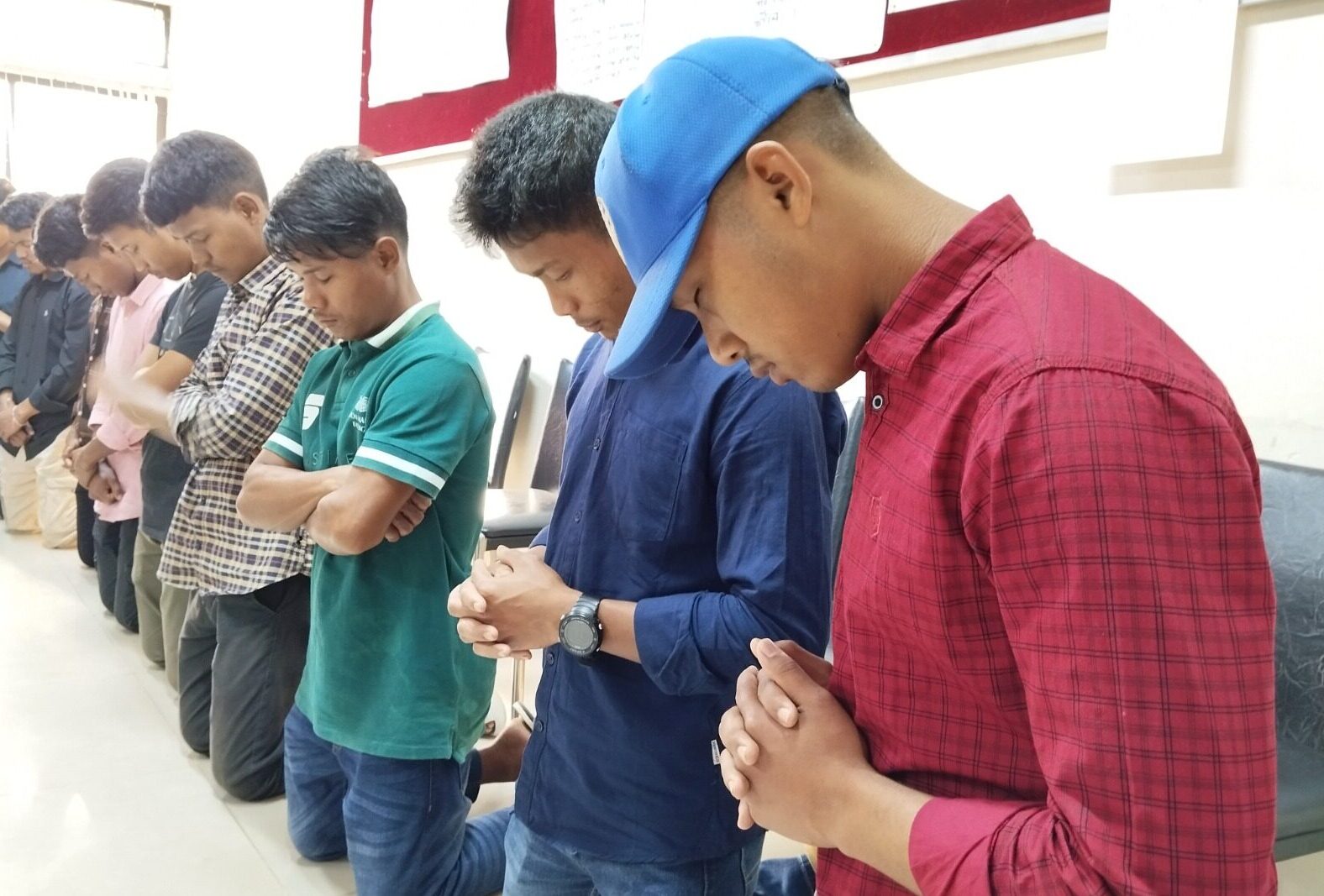
For many around the world, Christmas Day passes quietly unnoticed and uncelebrated. Faithful Witness asked what December 25th looks like in communities whe...
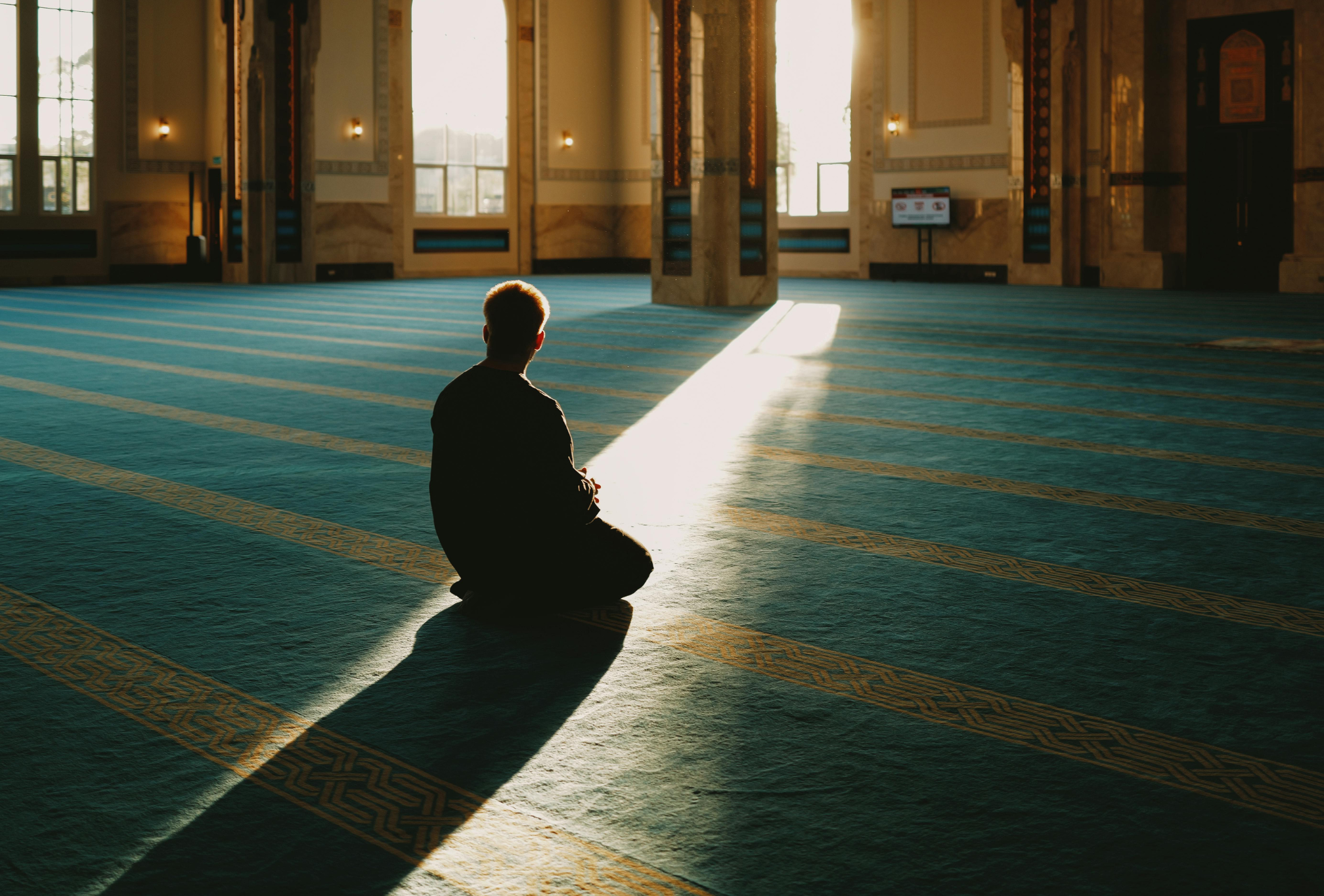
Raised Muslim in South Asia, Joel* longed to know who God truly was. Through SIM programmes, Christ brought light, joy and deep faith into his life.
How do you hold on to God’s word when you can’t hold it in your hands?
When Kamal and Sunita first came to Shalom Clinic, a Hope for Life ministry in South Asia, they were emotionally and spiritually exhausted. Poverty, addic...