
By Tim Allan, SIM International
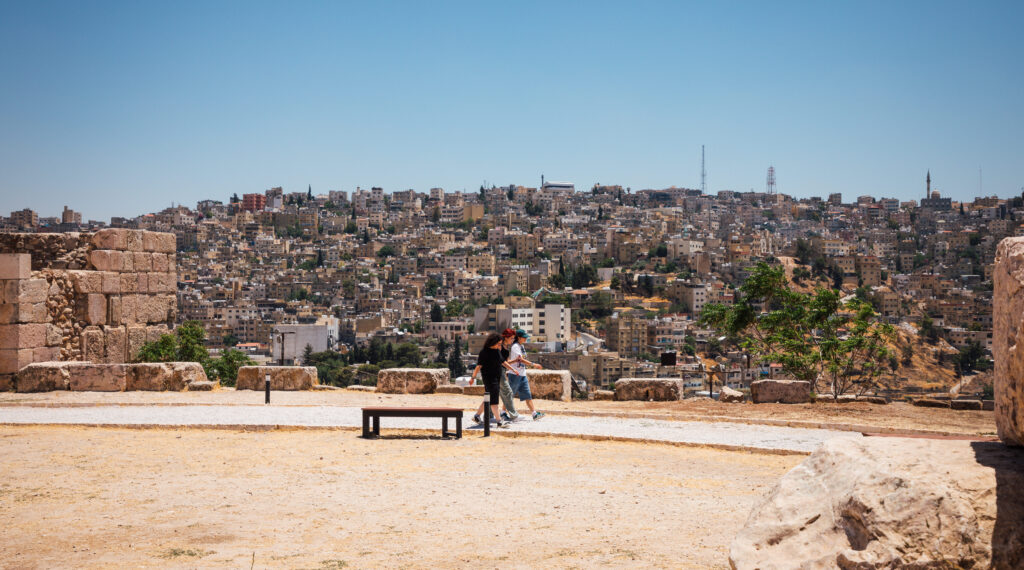
Jo* is passionate about making disciples. It’s the driving force in her life and explains why she lives and works in the Middle East.
Right from when she fully committed her life to Christ at college, all she has wanted to do is introduce people to Jesus and then help them grow in their faith.
She says: “As Christians, we are all called to make disciples but from early on I felt called to make disciples overseas.
“My challenge was that I didn’t understand why I needed to become a ‘missionary’ to do what God calls all believers to do! That sounded too grand, too high a calling and seemed like it would set me in too high a place.”
Jo does not fit the stereotype of a typical mission worker. Yes, she comes from a Christian family and has parents who fully support her decision to live overseas, but she always wanted to have a regular job, using the gifts God had given her.
Even now, several years after moving to the Middle East, Jo is still wrestling with the difference between a mission worker and someone who makes disciples.
But if you read the Purpose statement of our organisation, which has helped Jo into her current role, you will see there is very little difference: Convinced that no one should live and die without hearing God’s good news, we believe that He has called us to make disciples of the Lord Jesus Christ in communities where He is least known.
In practical terms, Jo is at one and the same time, a mission worker, a disciple maker, a paid employee, a resident and an expatriate.
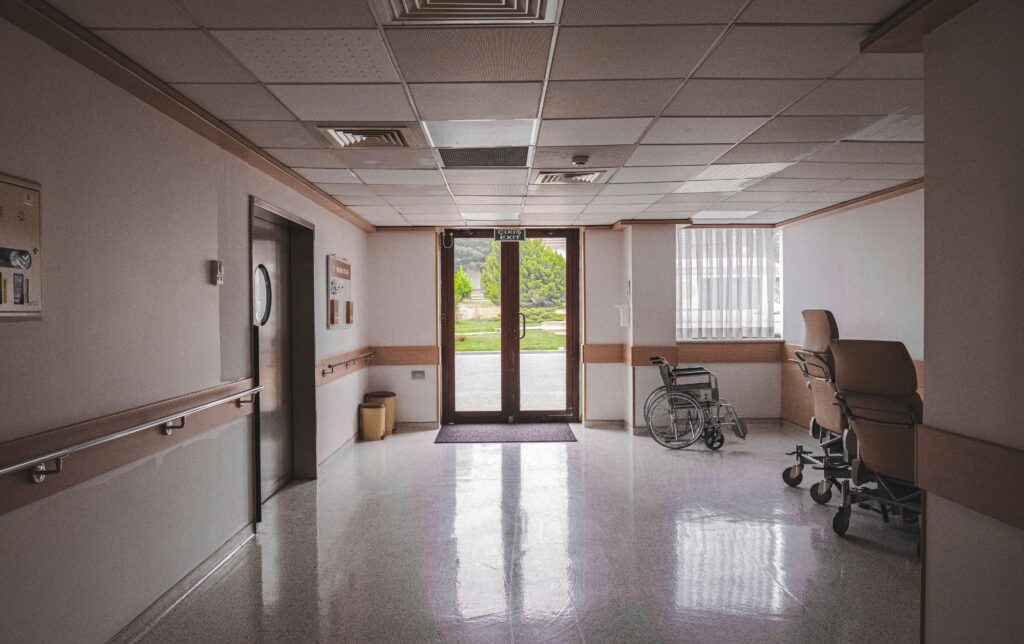
She has a regular, paid job as a medic; she lives in a modest house in a warm and friendly city; she commutes to work, just as she used to do back home in the US.
“The only difference between here and there,” she says, “is that here I get to see camels on my daily commute!”
She arrived in the country having spent many years trying to dictate to God what his plan for where she should live should be.
She says: “When I was at university, I spent all my holidays volunteering in a home of protection for girls who were survivors of trauma in Latin America. I was convinced I would end up there but God wanted me somewhere else.”
Please pray
- For more workers like Jo, who are happy to take paid employment in places where very few people know Jesus
- For those Jo meets in her day-to-day life, that she would be a beacon for Christ among them as she shares her faith boldy but wisely
- For people in the Middle East to have their eyes, minds and hearts opened to the one, true living God
Could God be calling you to serve in the Middle East?
We’d love to help you explore what that could look like.
You might also like
Five years into life in North Africa, one mission worker reflects on the unexpected ways God has been shaping their family, teaching them to loosen their g...
As an occupational therapist in the Middle East, Kate* serves children with special needs and their families. Through therapy, prayer and genuine friendshi...

God often works through unexpected passions and everyday friendships to draw people to Himself. One climbing ministry in the Middle East is creating opport...

Dave had always planned to become a teacher and sports coach, but never expected those dreams to take him to the Middle East. Today, he uses both his profe...
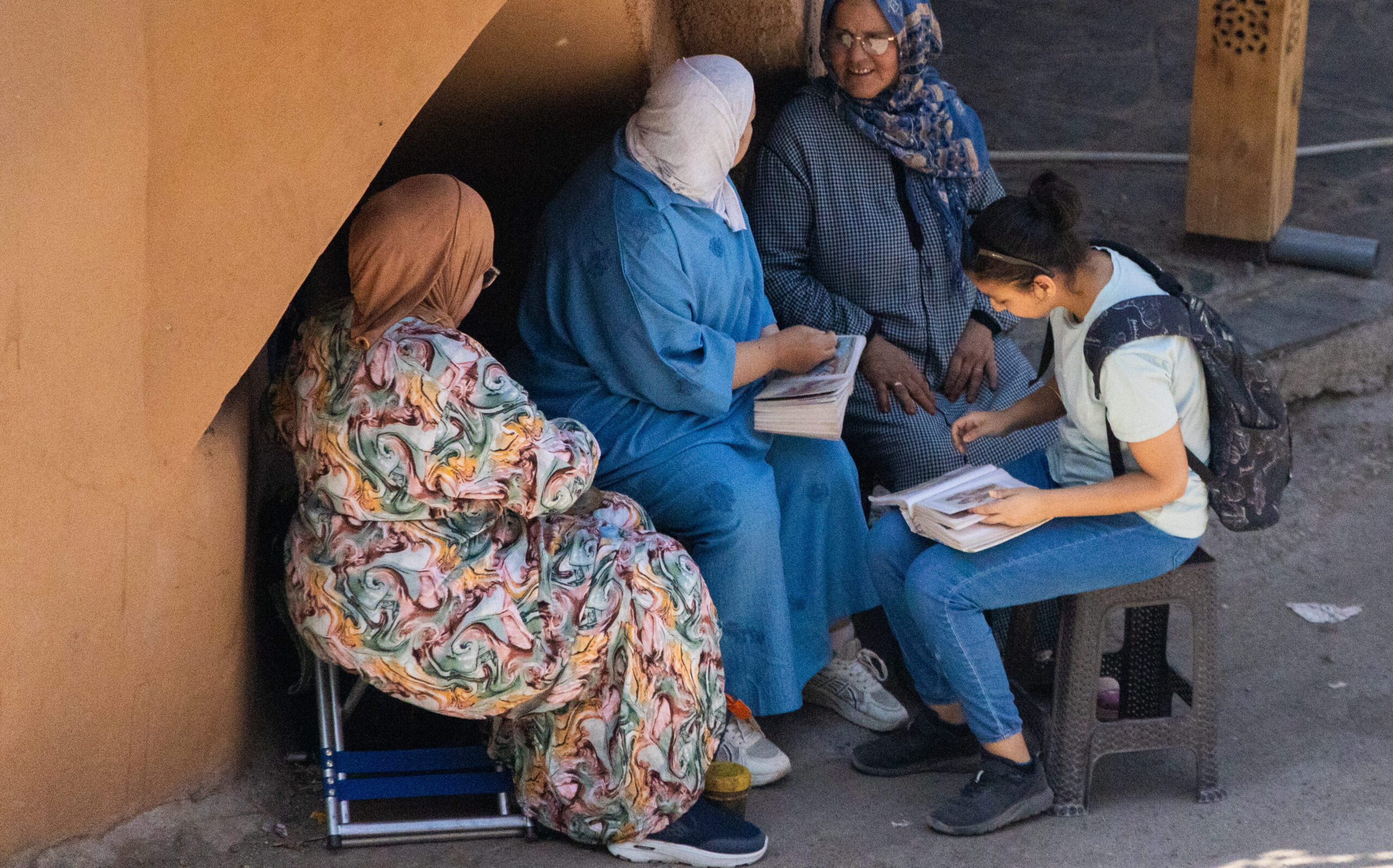
Christians are called to live differently from the world around them so that others can see how Jesus impacts a daily life. One mother serving in North Afr...
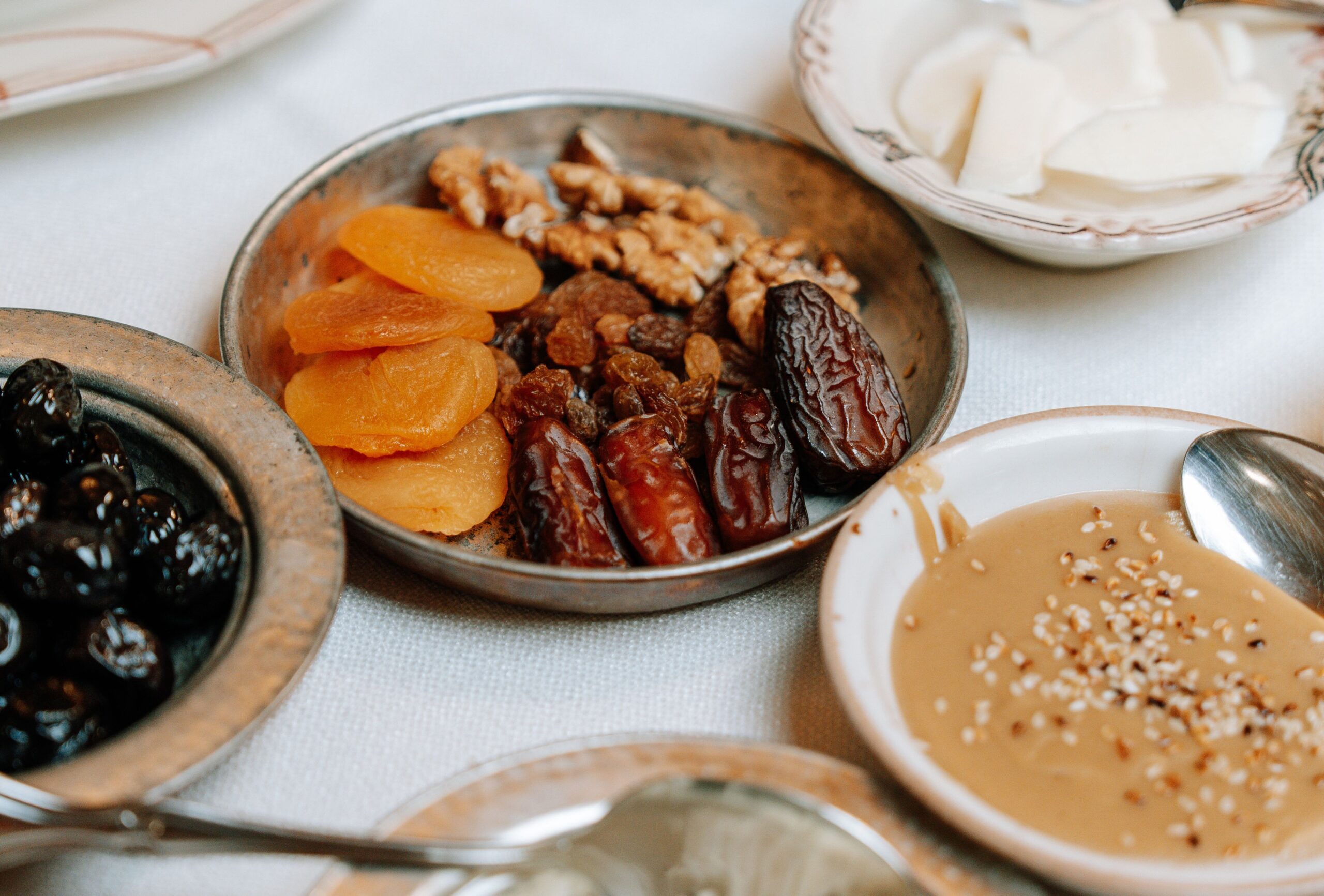
Before anyone shares the good news of Jesus, God may already be at work preparing the way. One family serving in the Middle East has seen how dreams and fr...
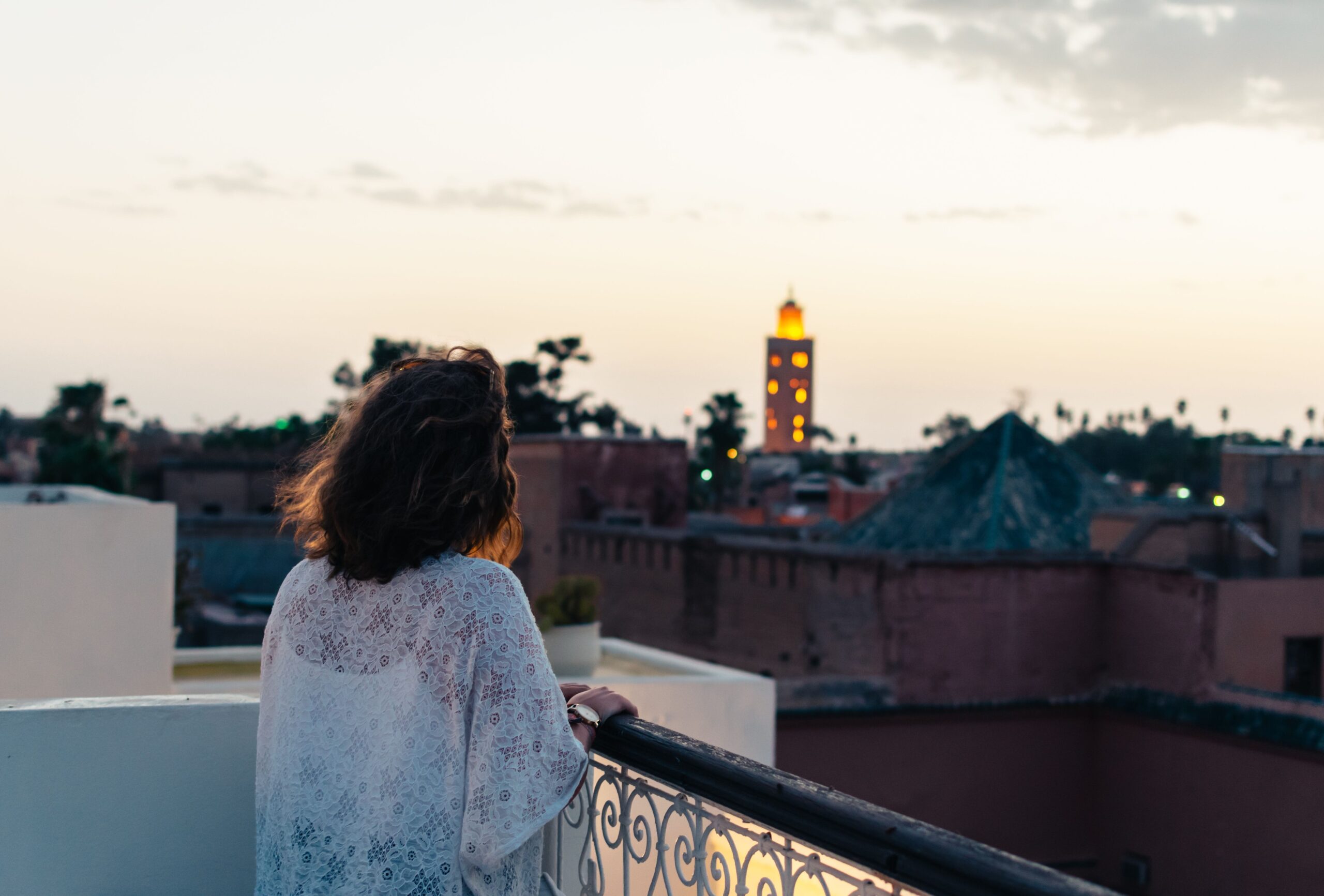
Rania* grew up in a North African city where music filled her days. She found an unexpected refuge behind the door of an old church. There she discovered t...

In North Africa, where spiritual opposition and persecution can make ministry challenging, workers are learning to persevere in prayer, trusting God to bri...
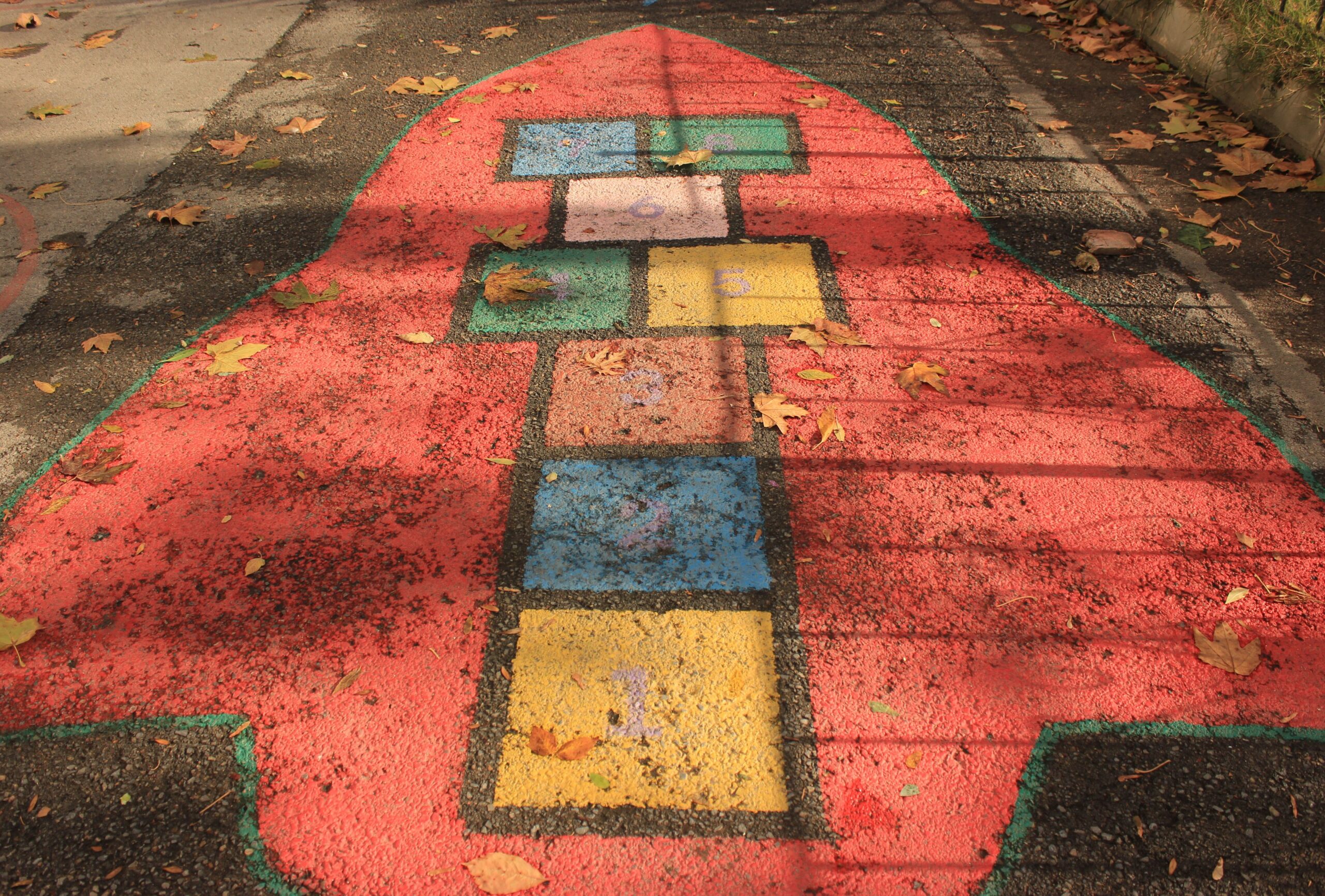
Meet Lily and Peter, two children growing up in North Africa. They share what everyday life is like, from school and friendships to faith, family, hobbies ...

For Tony, sharing Jesus in the Middle East starts with friendship. From watching football on the street to learning Arabic, he is building relationships wi...
A look at North Africa’s diverse nomadic groups, how modern pressures are reshaping their lives, and the meaningful ways Christian believers can serve am...
The Middle East and North Africa are home to hundreds of millions of people who have never heard the truth of Jesus. God is opening remarkable doors across...