
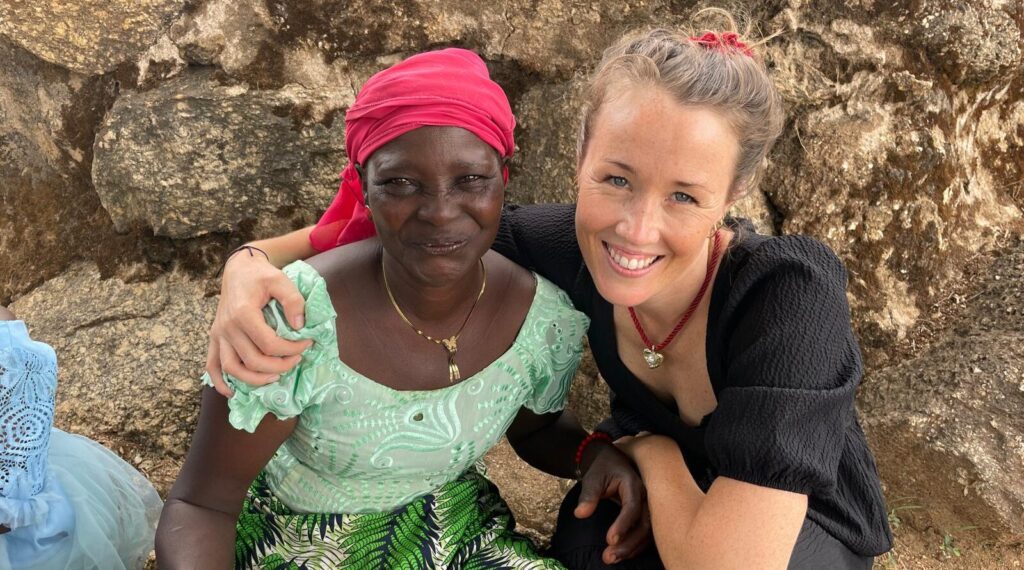
By Susan Akyeampong
Mission worker Dominique from Surrey in the United Kingdom, has spent the past eight months serving with City Ministries in Jos, a Christian organisation working in partnership with the SIM to support people facing some of the greatest challenges across Plateau State.
She works with women experiencing different hardships, as well as those recovering from addiction, children rejected by their communities, orphans and Christians displaced by violence. Through this work, she meets people facing some of the region’s deepest challenges. She also works with Christian converts who have fled persecution and violence, including women who have lost their husbands.
More than 500 widows live in and around Miango, a rural community in Nigeria’s Plateau State. The violence that has displaced so many Christians across the region has also left hundreds of women widowed. They lost their husbands when armed Fulani Islamist militants attacked Christian farming villages across the region.
Survivors carry physical scars from gunshot wounds, machete injuries and severe burns, and many bear the unseen pain of unimaginable loss. Women speak of watching husbands and children killed in front of them, and of homes and farms destroyed as they fled for their lives.
“None of them would say they’d rely on their own strength.”
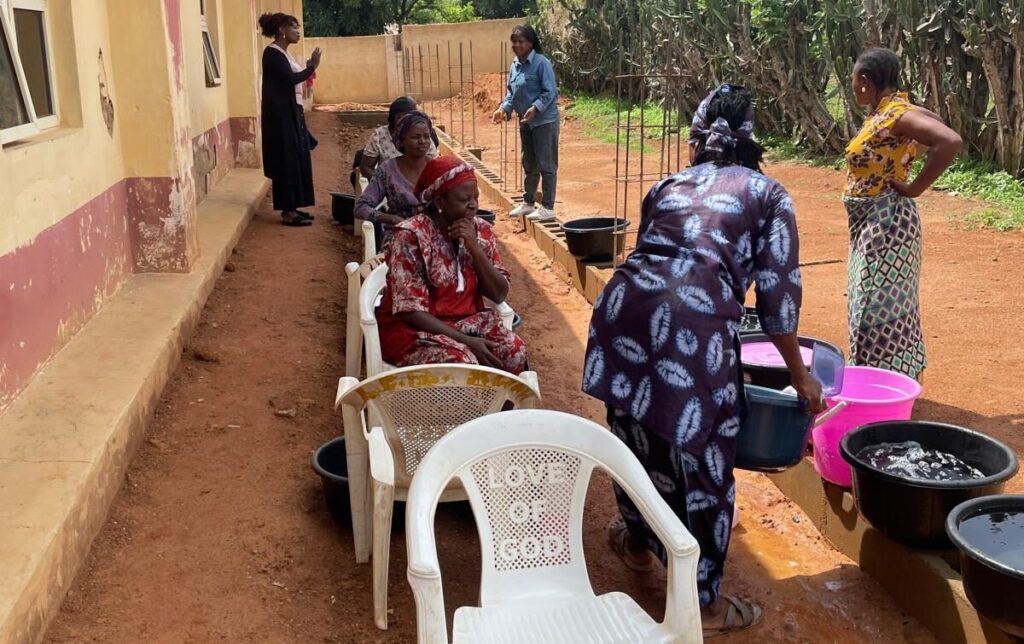
She first came to work with the widows through Gastor, an Irigwe Christian who works alongside City Ministries and lives in Miango. When she travelled there with him on an outreach trip, the stories became real.
Many of the women believe their families were targeted because of their faith in Jesus, describing attackers who shouted Islamic slogans. In the aftermath, the church has become a place of refuge, opening its doors to everyone who needs support.
The outreach reflects that same spirit of welcome. The team worships with the women, washes their feet, prays with them and gives each widow a new pair of leather sandals. Following Jesus’ example, they serve the women with the same humility, compassion and love he showed when he washed his disciples’ feet.
The ministry does go beyond the outreaches. The team helps cover medical bills and education costs, provides food for older widows who are unable to work, and supports younger widows who can work by providing livestock and helping them grow food, rebuild their homes and restore their livelihoods. They also offer trauma healing and organise a Christian camp for the women and their children.
Please pray
- That the widows would continue to trust Christ as they navigate grief and trauma. Pray they would know His comfort and faithful provision each day.
- For justice and lasting peace in Plateau State, asking God to protect communities, bring an end to the violence, and transform the hearts of those carrying out these attacks.
- That God would bring peace and reconciliation between Christian and Muslim communities in Plateau State. Pray that those involved in violence would encounter the love and saving grace of Jesus.
- That God would raise up His Church to support these women through practical care, encouragement and prayer.
You might also like
We asked mission worker Ryan, how do learn to love the people and culture you serve?
You don’t need a passport to be part of God’s global work. From prayer and financial partnership to elevating mission stories in your church, here are ...
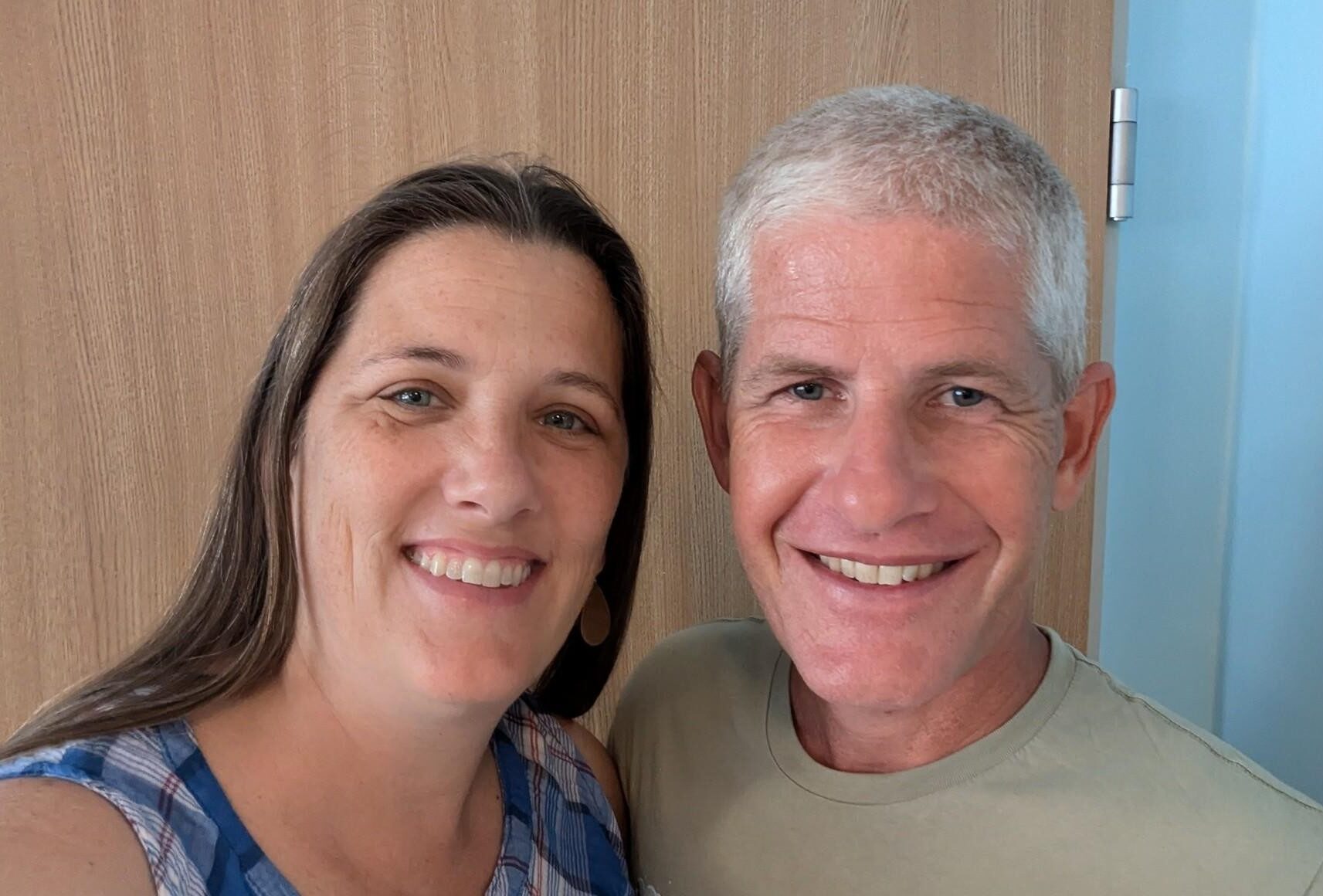
A statement from Kevin and Krista Rideout.
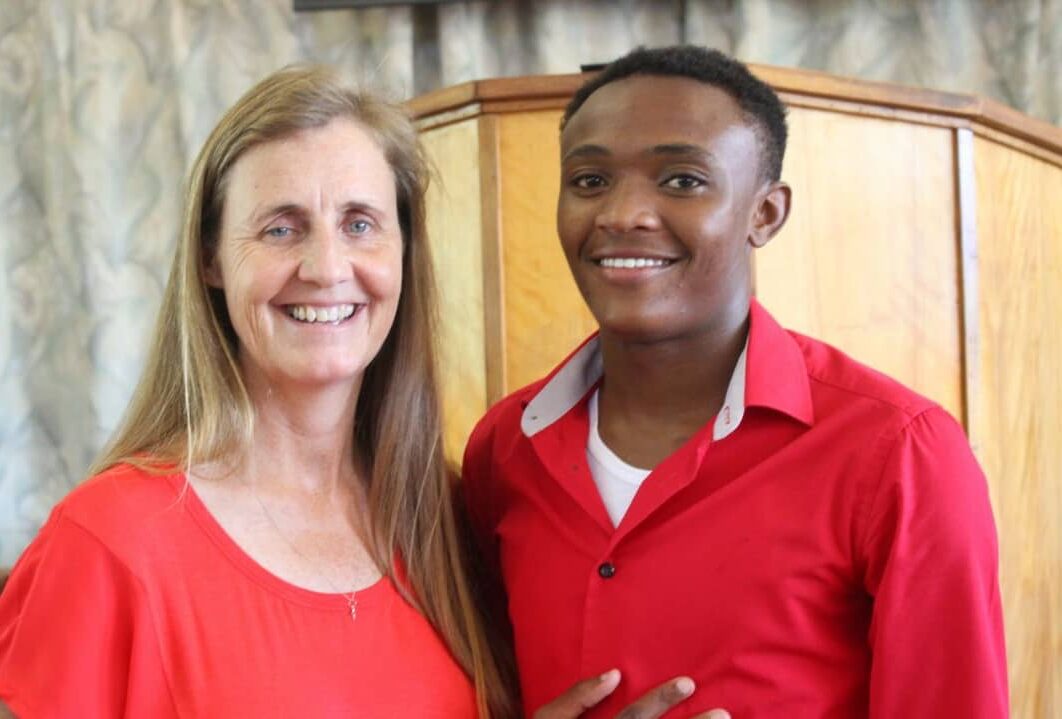
Galius had a tough childhood in Namibia. He lost his mother at childbirth and his father also passed away when he was a teenager. Today, Galius is st...
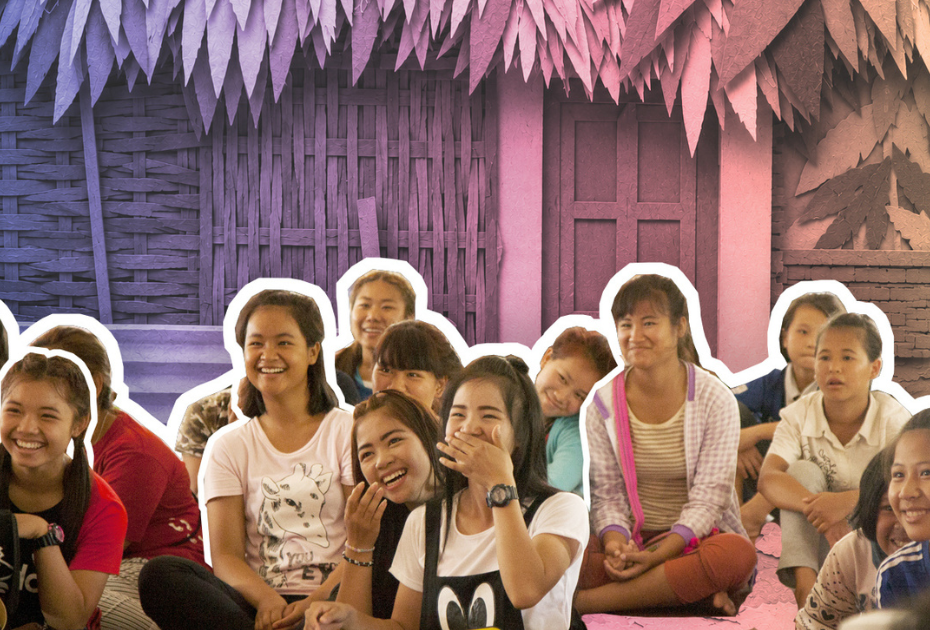
They come for the games, but they leave with something far greater. Across the world, Sports Friends camps are creating opportunities for young people to d...
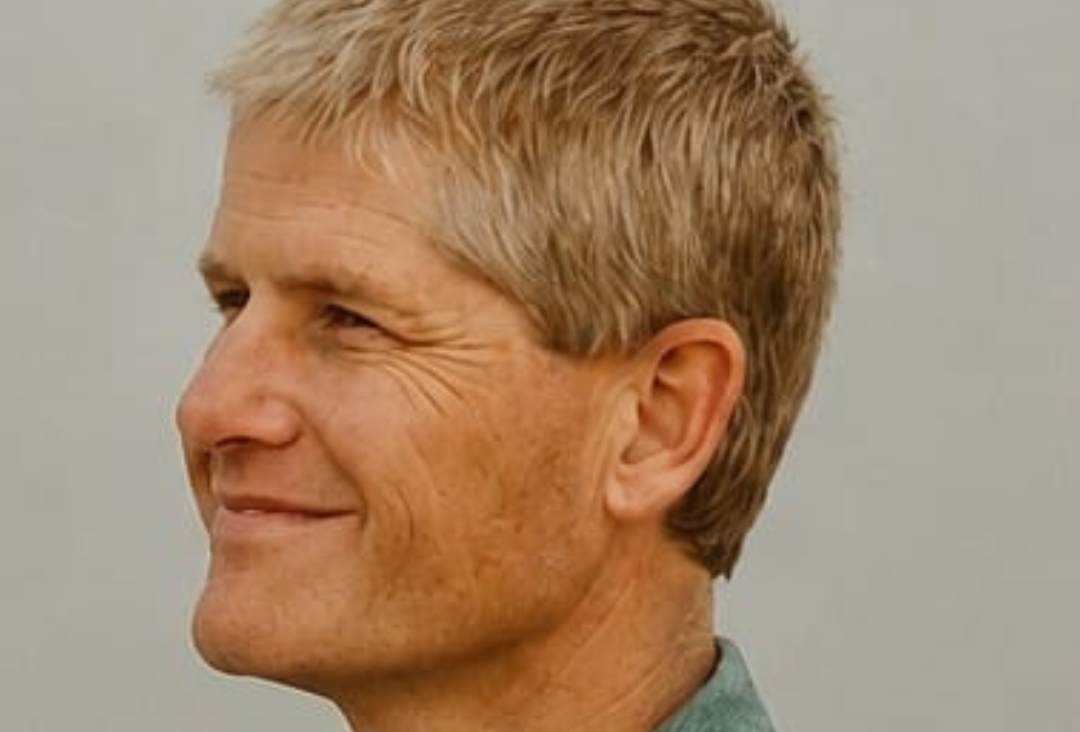
We are grateful to confirm that our good friend and brother in Christ, Kevin Rideout, has been released after over nine months in captivity.

In Ethiopia, mission is taking new forms. Technology is opening doors into places once unreachable, and local believers are stepping forward with deep cult...
In northern Ghana, youth worker Charity has spent years building relationships with young people and their families. She encourages them in their faith wh...

Across the world, young people are showing a growing openness to faith: from Thailand to North Africa to Central Asia. As spiritual hunger rises among Gen ...
An encounter with rural ministry as a teenager changed the course of Samuel's life. Years later, God led him, his wife and their children from Ethiopia to ...
In Central Asia, a small group of young Christians is being intentionally equipped as emerging leaders. Mentoring, ministry experience and sports outreach ...
Creativity has become a doorway to encounter God in Addis Ababa, where mission workers Malaika and Halawi are helping believers hear His voice through pr...