
By Tohru Inoue
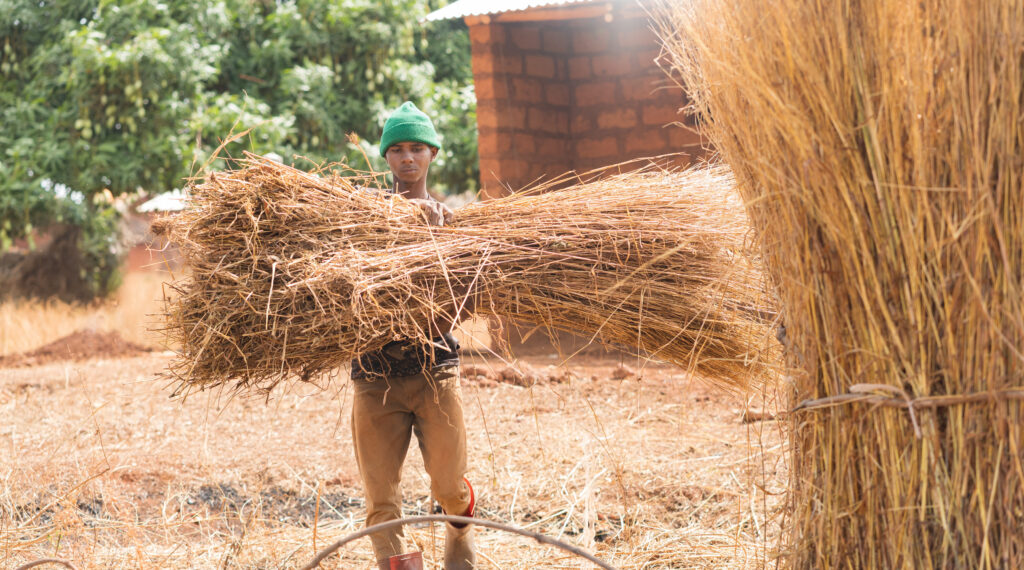
Obed* knows that God came for the Fulani people. He knows it in his bones.
There are around 45 million Fulani people living in more than 20 countries in West and Central Africa. They are pastoralist nomads who move from place to place with their belongings and livestock.
Obed says, “We know Jesus came for us because we know our culture.”
The nomadic life is not aimless wandering. It is precise and purposeful, just as for those who live in one place the key gardening tasks change from season to season. It is not romantic travelling either; just as investors in stocks and shares move their money around in search of better returns, so too do the Fulani have good reason to move their livestock.
Jesus came for the Fulani. The word that Jesus left us makes it irrefutable, and the lightened burden makes it undeniable.
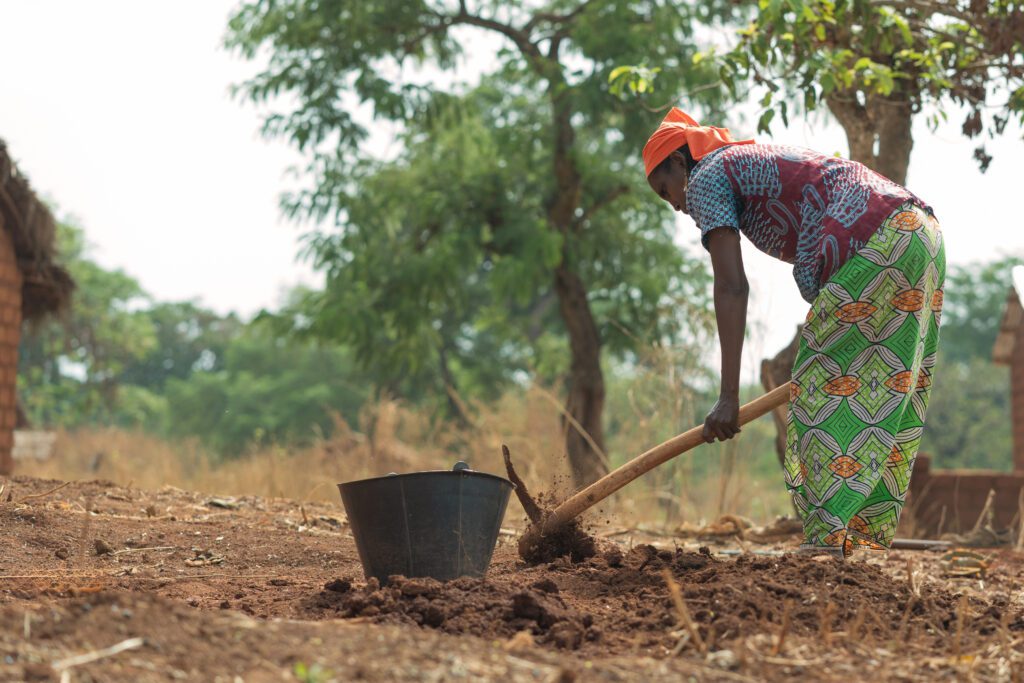
But, for all its purposefulness and beauty, the Fulani way of life also has its challenges. Their nomadic life means they understand the regular cycle of being weighed down by heavy loads – packing and unpacking, carrying and ferrying. This is an unavoidable reality of their way of life.
So, when Jesus says, “Come to me all you who are weary and heavy-laden,”1 Obed sees this as a message tailored for his people. The experience of the nomadic life gives context to the verse that makes it come alive for the Fulani.
“We know he came for us because we carried many things on us, physically!” says Obed.
Please pray
- That the message of the Saviour who takes all our burdens, reaches down deep in Fulani hearts
- That the Fulani would come to understand the message of salvation Jesus offers and that he can carry their burdens
- For those who are bringing the gospel to the Fulani, that they would persevere and bear fruit
You might also like
Meet Lily and Peter, two children growing up in North Africa. They share what everyday life is like, from school and friendships to faith, family, hobbies ...

For Tony, sharing Jesus in the Middle East starts with friendship. From watching football on the street to learning Arabic, he is building relationships wi...
A look at North Africa’s diverse nomadic groups, how modern pressures are reshaping their lives, and the meaningful ways Christian believers can serve am...

The Middle East and North Africa are home to hundreds of millions of people who have never heard the truth of Jesus. God is opening remarkable doors across...
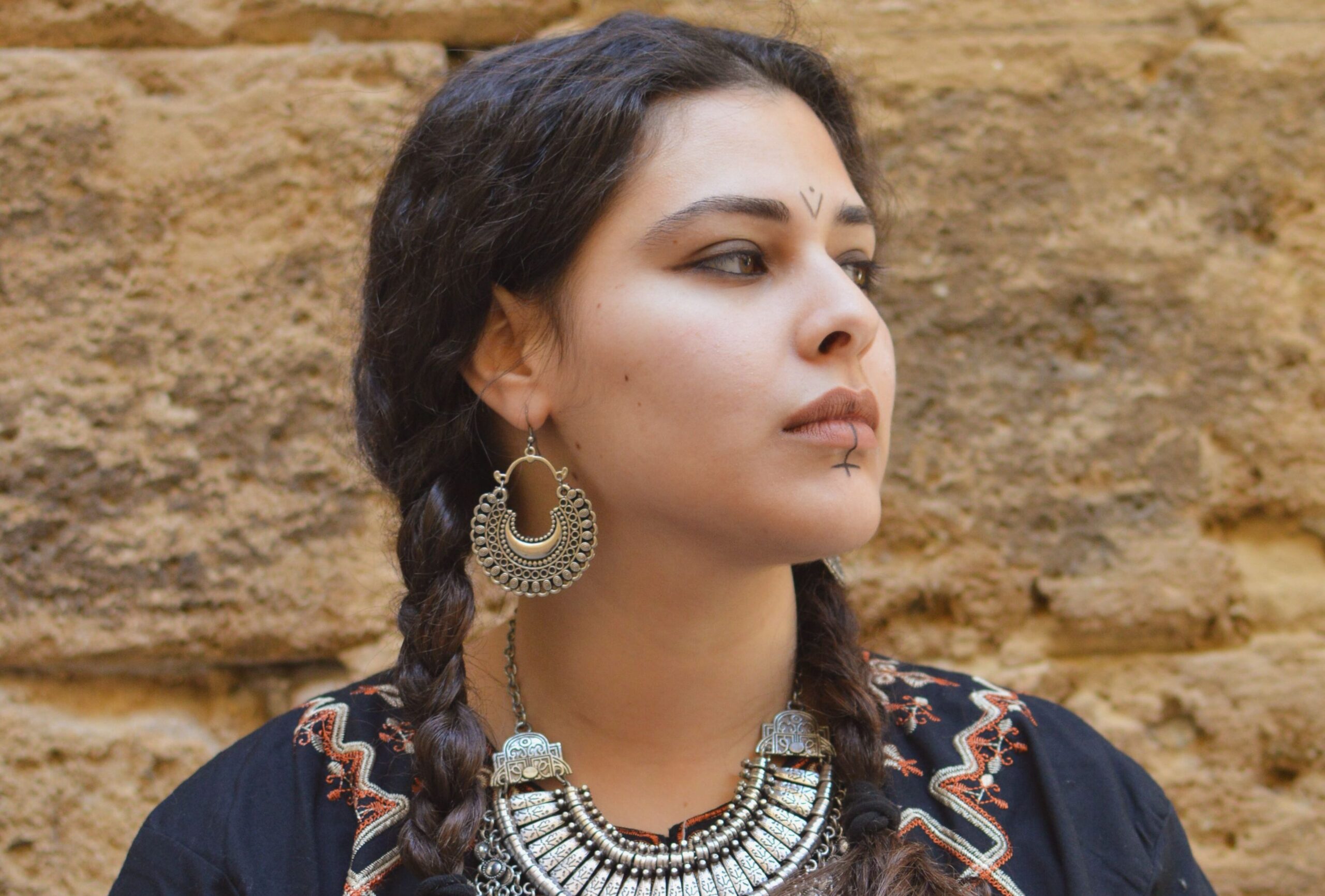
Across North Africa, Amazigh communities are reclaiming their language, culture and identity. As they rediscover their heritage including a largely forgott...
Richard and Valérie Morris have spent decades helping mission workers understand the spiritual realities they may face — from confronting fear and oppre...
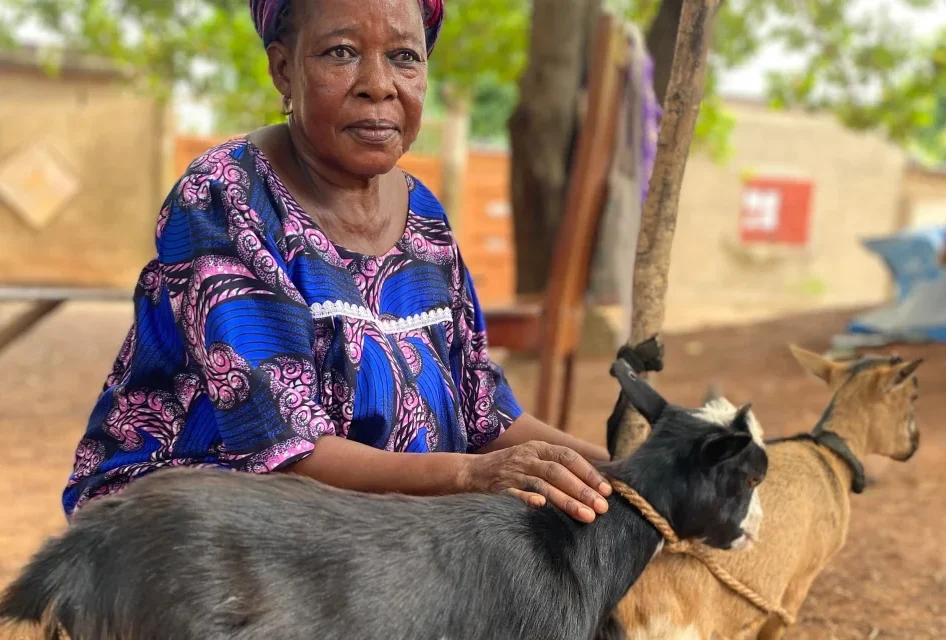
Widows in Benin are rebuilding their lives through an unexpected gift: two goats that offer income, dignity and the reminder that they are deeply loved by ...

Mission worker Dominique has spent the past eight months serving women in Nigeria’s Plateau State, where hundreds of widows are rebuilding their lives af...

We asked mission worker Ryan, how do learn to love the people and culture you serve?

You don’t need a passport to be part of God’s global work. From prayer and financial partnership to elevating mission stories in your church, here are ...
A statement from Kevin and Krista Rideout.
Galius had a tough childhood in Namibia. He lost his mother at childbirth and his father also passed away when he was a teenager. Today, Galius is st...