The Yao people trace their origins to East of Lake Malawi to a mountain called Yao, near the grass covered hills between Mwembe and Luchilingo Range. During the ninth century, there was a famine in the land. This and other internal problems resulted in the breaking away of part of the people. Moving westward, they settled on the shores of Lake Malawi. It is estimated that 2 million Yao live in southern Africa; 1.5 million of these are in Malawi; another half million in Mozambique.
Location
The majority of the Yao live in southeastern Malawi near Lake Malawi. Others live in the northern province of Niassa in Mozambique and southern Tanzania.
Topography
Lake Malawi, which lies in the Great Rift Valley, is the third largest lake in Africa, and is very deep in places. This Lake contains more species of fish than any other inland body of water in the world, with a total over 500. The Shire River (pronounced 'Shir-ee') flows from the southern end of the Lake and joins the Zambezi River in Mozambique. Malawi is sometimes termed “the warm heart of Africa,” a distinction drawn both from its friendly people like the Yao, and its gorgeous landscapes surrounding the Lake. In Mozambique, the Yao live in the sparsely populated Niassa province, some up on the plateau.
Culture
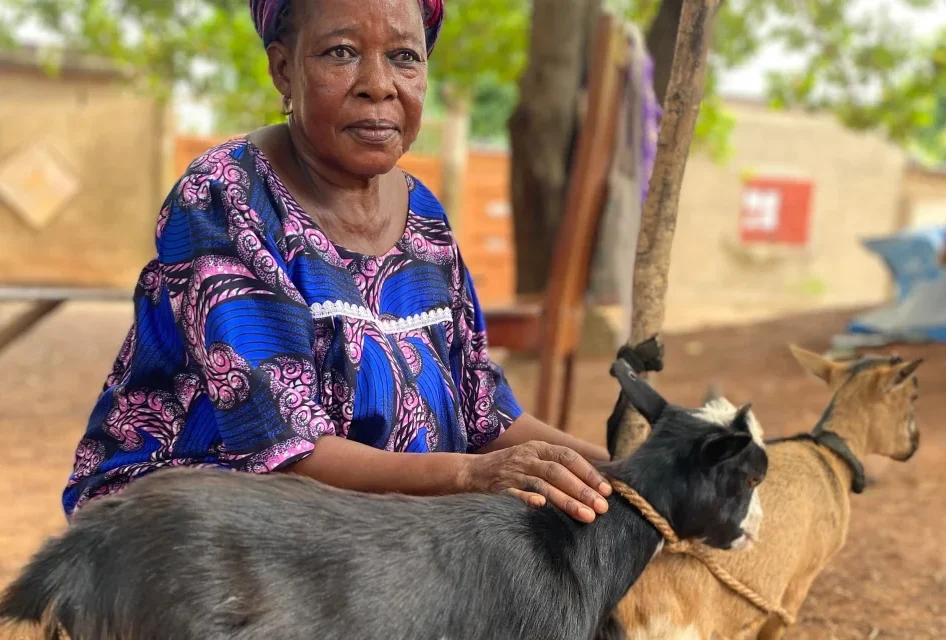
Livelihood: The Yao are primarily subsistence farmers, growing crops in the savannahs surrounding the lake. Many are also fishermen. Others have migrated to the cities where they find temporary work. A few are craftsmen employed in local projects such as building houses. In Mozambique, the Yao are known as
negociantes, or traveling salesmen, because for over a hundred years they have traveled to and from the coast trading with Arab merchants.
Language: The primary language of the Yao is called Chiyao. In Malawi, while most of the Yao are fluent in Chiyao, only 30% are literate. Eighty-five percent of the Yao also speak Chichewa, Malawi's national language, and 10-20% speak limited English.
For the Yao living in the towns of Mozambique, Portuguese may be a second language. However, in rural areas, most of the women only speak Chiyao. Local schools teach children in Portuguese. However, education has been a low priority for Mozambican Yao until recently. For decades in Niassa province, education was connected to the Catholocism brought by Portuguese colonialists. Being primarily Muslim, the Yao did not look favorably on going to school and being baptised as Catholic.
Matrilineal Society: The Yao tend to be more loyal to their mother’s family than to their nuclear family. A group of sisters and their families live with an elder brother or uncle and consider him their leader. Marriage also is matrilocal – husbands live in their wife’s village, and husbands are often considered strangers in their wife’s village for many years. Divorce is common among the Yao. Being Muslim, the Yao often have more than one wife.
Political System: Although political authority is officially in the hands of the government, the sociopolitical unit among the Yao is the matrilinear group headman. He is often over a number of matrilineages, and a chief is over a number of headmen. In Malawi, the government recognizes 149 chiefs, some of whom are Yao. A chief presides over an area called a "traditional authority," and his power is limited by the government.
Celebrations: Two Yao holidays are especially important in Mozambique. The first, called Unyago, is the biggest celebration involving children, and follows several weeks of initiation ceremonies for kids ages 7-12 years. The boys are circumcised and both boys and girls are taught separately what it means to be members of the Yao community. The children are dressed in new clothes, sunglasses, shoes, and jewelry for the girls. Then they parade under umbrellas. Initiated children are not permitted to smile during the celebration. Relatives and friends dance, sing, shake shakers, and bring money to give to the children.
A second important celebration is called Siala and commemorates the birthday of the Prophet Mohammed. It involves all night chanting of Yao traditional and Islamic stories and teachings. Dance troops of men compete with each other in stamping out a warlike dance. Lots of food must be eaten, of course! This means corn mush cakes eaten with various vegetables, goat and chicken.
Religion
The Yao are Sunni Muslims, mainly of the Shafi school. The Islam of the Yao is mixed with their pre-Islamic animist beliefs, witchcraft and ancestral cults. In recent years there has been a move toward Islamic orthodoxy. At the same time, there is increased receptivity toward the message of Jesus' life and love.
History
The Yao are a Bantu people. They converted to Islam only about 150 years ago, towards the end of the mid-1800's. As traders with the Arabs from the coast, they exchanged slaves, ivory, tobacco, gunpowder and cloth. Supplied with firearms by the Arabs, they raided neighboring tribes and took captives for sale into slavery. When the British, at the request of Christian missionaries, stopped the slave trading of the Yao merchants, the Yao turned to the religion of their slave-trading partners, and grew highly resistant to Christianity.
SIM Involvement
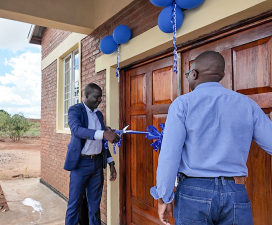
Malawi: SIM is currently serving the Yao in the Mangochi district. An emphasis in all our ministries is on developing local leadership. Marriage seminars are also being held. A great need exists for community development in areas such as obtaining safe water, improving sanitation and hygiene, basic health and nutrition, family planning, agriculture, intensive gardening and animal husbandry. Many of the adults want to learn to read and so literacy classes are in growing demand.
Mozambique: Since 2001, SIM has been serving the Yao in Niassa province. Our team members are learning the Chiyao language and helping to strengthen existing churches. While officially the Anglican church has many Yao congregations and the Assembly of God also has a couple, religious rituals tend to dominate their experience more than a heart level knowledge of the Living Saviour. SIM workers contribute through Bible teaching that deepens the local churches. Presently in Mozambique, a great openness exists in Yao villages towards Bible study. SIM workers are also involved in getting Bible stories and studies printed in their language.
Scripture Availability
Portions of the Bible including the first five books of the New Testament were translated into the Chiyao language from 1880-1935. A SIM project is now underway to complete the entire Bible into Chiyao. Please pray with us for accuracy and good progress.
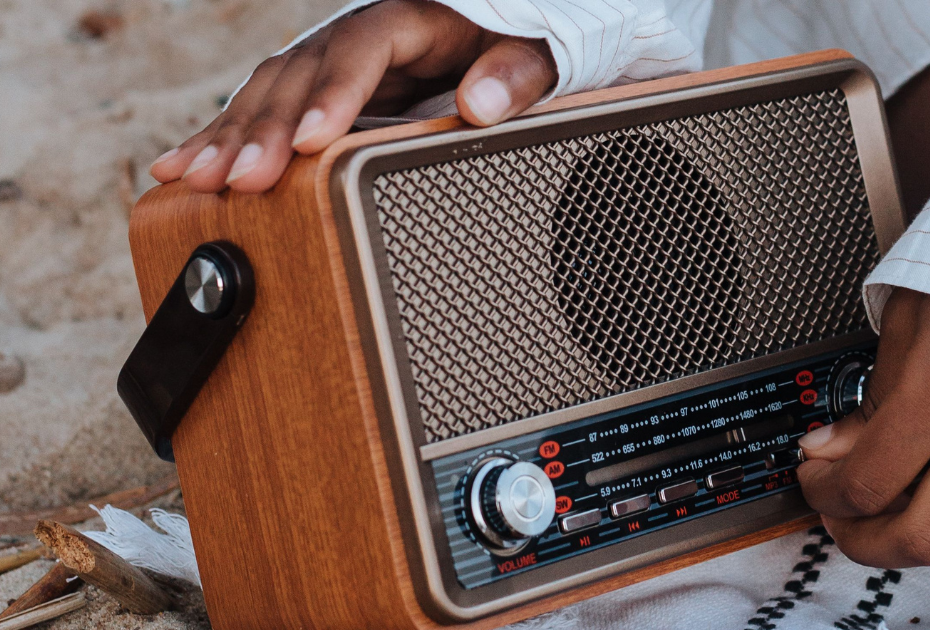
Literature besides Scripture portions is becoming more common in Chiyao. Radio stations such as FEBA and TWR now have news bulletins as well as a few programs in Chiyao. Radio ministry has great possibility among the Yao and a new station has recently come on the air, produced by Reformed missionaries.